
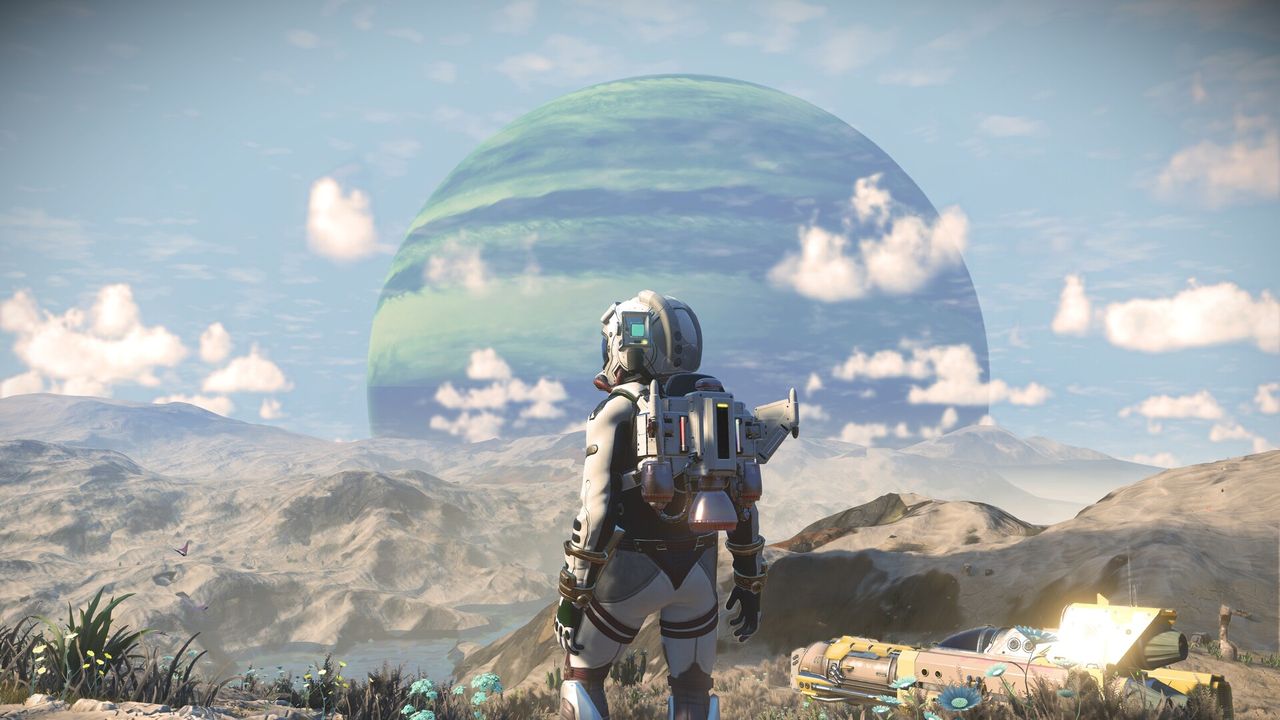
In an era where live service games are increasingly viewed as risky ventures that can burn out both developers and players alike, Hello Games founder Sean Murray has expressed profound gratitude for the opportunity to continue supporting No Man’s Sky for an entire decade. Speaking candidly with GamesRadar+ about the milestone anniversary, Murray reflected on the unique journey that has allowed his small independent studio to maintain one of gaming’s most remarkable comeback stories, transforming what was once considered a cautionary tale into an inspiring example of developer dedication and community trust.
The path that No Man’s Sky has traveled since its controversial 2016 launch represents one of the most dramatic redemption arcs in video game history. When the procedurally generated space exploration title first arrived on shelves, it faced immediate and intense backlash from players who felt the game failed to deliver on its ambitious pre-release promises. Features that had been showcased in trailers and discussed in interviews were notably absent, leading to refund demands, review bombing, and widespread criticism across the gaming community. Rather than abandoning the project or moving on to new endeavors, Murray and his team at Hello Games chose a different path entirely.
A Decade of Dedication and Free Updates
What sets No Man’s Sky apart from conventional live service titles is its unconventional approach to post-launch content. Unlike games that rely on battle passes, season subscriptions, or paid downloadable content, every single update Hello Games has released over the past ten years has been completely free. This includes massive expansions that have fundamentally transformed the game, adding features like multiplayer functionality, base building systems, underwater exploration, living ships, settlements, and most recently, expeditions that provide structured seasonal gameplay experiences. The cumulative effect of these updates has essentially rebuilt No Man’s Sky from the ground up multiple times over.
Murray’s philosophy on updates centers on a deeply personal connection to the player base. “Honestly, if people weren’t playing No Man’s Sky, I don’t think we would want to do updates,” he explained during the interview. “I don’t think the motivation would be there. Obviously, if no one’s playing your game, it’s sort of pointless, right?” This sentiment reveals a developer mindset that views ongoing support not as a commercial obligation but as a genuine dialogue with the community. The relationship between Hello Games and No Man’s Sky players has evolved into something resembling mutual appreciation, with the studio earning back trust through consistent action rather than promises.
Finding the Right Players and Building for Them
During the tumultuous early period following launch, when criticism was at its peak and the studio faced genuine questions about its future, Murray adopted a specific mindset that would guide development decisions. His advice to the team was elegantly simple: picture the person who would genuinely love the game and focus relentlessly on making it better for them. This player-centric approach helped Hello Games filter through the noise of internet outrage and concentrate on building something meaningful for those who believed in the project’s potential. “So I think the team does have that attitude, but you need some people to be playing the game, and we’ve been very lucky in that lots of people play the game,” Murray added.
The numbers support this optimism. A decade after launch, No Man’s Sky consistently maintains a position within the top 100 to 150 games on Steam, a remarkable achievement for any title, let alone one that experienced such a troubled debut. The game has sold over 15 million copies across all platforms and continues to attract new players with each major update. Hello Games, which started as a tiny studio of approximately fifteen people, has demonstrated that sustained commitment to quality can overcome even the most damaging initial reception.
The Future of Long-Term Game Support
Looking ahead, Murray acknowledges that the current pace of updates may not continue indefinitely, but he finds it difficult to imagine completely walking away from the universe Hello Games has created. “I could imagine us stopping doing updates for No Man’s Sky at some point, and then 10 years later, I’m like, ‘Let’s do an update for No Man’s Sky,'” he mused. This perspective challenges the increasingly disposable nature of modern gaming, where titles are frequently abandoned shortly after launch in favor of the next big release. Murray’s vision suggests a more sustainable model, one where beloved games can remain living experiences that evolve alongside their communities.
The broader gaming industry could learn valuable lessons from No Man’s Sky’s trajectory. In a landscape littered with failed live service experiments and abandoned projects, Hello Games has proven that authenticity, patience, and genuine respect for players can build something lasting. As discussions swirl about a potential collaboration with Palworld, another indie phenomenon, fans are excited about possibilities that seemed unimaginable during those dark early days. Whatever the future holds for No Man’s Sky, its legacy as a testament to developer perseverance is already secure, inspiring a new generation of studios to consider what true long-term commitment to their creations might look like.
Expert Opinion: No Man’s Sky’s decade-long evolution represents a paradigm shift in how we should evaluate game development success. The industry would benefit from adopting Hello Games’ model of treating post-launch support as relationship-building rather than monetization opportunity. As gaming increasingly moves toward service-based models, studios that prioritize player trust over short-term profits will likely emerge as the sustainable survivors in an overcrowded marketplace.