
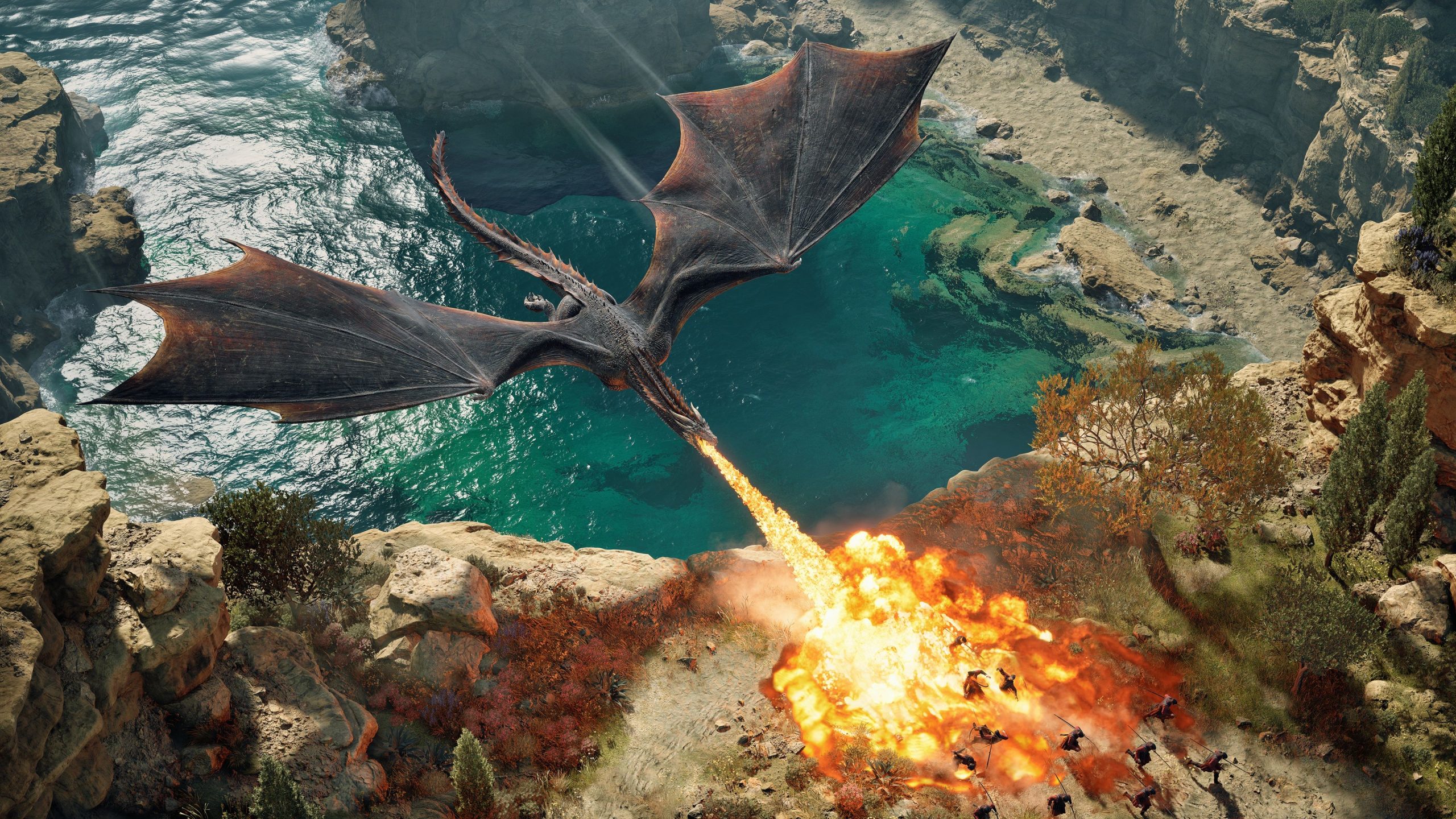
The fantasy strategy gaming landscape is on the verge of a potential renaissance, with rumors and anticipation building around a possible Game of Thrones real-time strategy title that could fill a void left by one of gaming’s most beloved franchises. For years, fans have yearned for a worthy successor to the acclaimed Lord of the Rings: The Battle for Middle-earth series, and the prospect of Westeros receiving similar treatment has ignited passionate discussions across gaming communities worldwide. The intersection of beloved fantasy intellectual properties and strategic gameplay represents an untapped goldmine that publishers have inexplicably left dormant for nearly two decades.
Back in 2004, EA Los Angeles and Electronic Arts released The Lord of the Rings: The Battle for Middle-earth, a real-time strategy game that masterfully blended hero-focused action with traditional base and army-building mechanics. The game captured the epic scale of Peter Jackson’s film trilogy while delivering satisfying strategic depth that appealed to both casual fans and hardcore strategy enthusiasts. A sequel released in 2006, along with the Rise of the Witch-king expansion, further cemented the sub-franchise as a fan favorite that many consider among the finest licensed games ever produced. The series demonstrated that fantasy IPs could translate beautifully into the RTS genre when handled with care and creative vision.
The Lost Legacy of Middle-earth Strategy Games
EA’s inability to continue the Battle for Middle-earth series stems from complex licensing arrangements that have plagued the gaming industry for decades. When the rights to Middle-earth shifted to Warner Bros. Interactive Entertainment, fans hoped the new steward would revive the beloved strategy franchise. However, Warner Bros. found itself in an unusual position, holding the gaming rights to both Tolkien’s legendarium and George R.R. Martin’s A Song of Ice and Fire series, yet producing remarkably few games for either property. The company’s Middle-earth output has been limited to the Shadow of Mordor action games, while Game of Thrones has received only a handful of mobile titles and one critically panned 2012 RPG developed by Cyanide Studio.
The vacuum left by these dormant franchises has frustrated strategy gaming enthusiasts who recognize the tremendous potential both IPs hold. Game of Thrones, with its intricate political machinations, diverse factions, and epic battles, seems tailor-made for the RTS treatment. The series features clearly defined houses with distinct military traditions, from the heavily armored knights of the Reach to the guerrilla tactics of Dornish warriors and the disciplined legions of the Unsullied. Each faction could offer unique gameplay mechanics, unit compositions, and strategic approaches that would create tremendous variety and replayability.
Why Westeros Deserves the Strategy Treatment
The appeal of a Game of Thrones RTS extends beyond simple faction warfare. The series’ emphasis on political intrigue, resource management, and alliance-building could introduce innovative gameplay systems that blend traditional RTS mechanics with grand strategy elements. Imagine managing not just armies but also spy networks, diplomatic marriages, and economic trade routes while vying for control of the Iron Throne. The Wall could serve as a defensive gameplay element against supernatural threats, while naval combat in Blackwater Bay and the Narrow Sea would add maritime strategic dimensions rarely explored in the genre.
Historical precedent suggests that such ambitious crossover games can achieve both critical and commercial success. The Total War series has proven that combining real-time tactical battles with turn-based strategic management creates compelling gameplay loops. A hypothetical Game of Thrones strategy title could learn from these successes while leveraging the emotional investment players already have in the source material. Characters like Tyrion Lannister, Jon Snow, and Daenerys Targaryen could serve as hero units with unique abilities, much like Aragorn and Gandalf did in the Battle for Middle-earth series.
The Current State of Fantasy Strategy Gaming
The strategy gaming market has evolved considerably since the Battle for Middle-earth era, with titles like Age of Empires IV, Company of Heroes 3, and various Total War entries demonstrating continued appetite for the genre. Meanwhile, fantasy settings have proven increasingly popular across all gaming categories, with titles like Baldur’s Gate 3 achieving unprecedented success. The convergence of these trends suggests that a well-executed Game of Thrones strategy game could capture substantial market share while satisfying a passionate fanbase that has waited years for such an experience. Whether Warner Bros. will finally capitalize on this opportunity remains to be seen, but the demand from players has never been clearer or more urgent.
Expert Opinion: The strategy gaming market is experiencing a notable resurgence, and Warner Bros. sits on potentially the most valuable untapped IP combination in the industry. A Game of Thrones RTS developed with the same care as the Battle for Middle-earth series could easily become a flagship franchise, especially if it incorporates modern innovations like persistent online campaigns and seasonal content updates. The question is not whether such a game would succeed, but rather how long Warner Bros. will leave this obvious opportunity unexplored.