
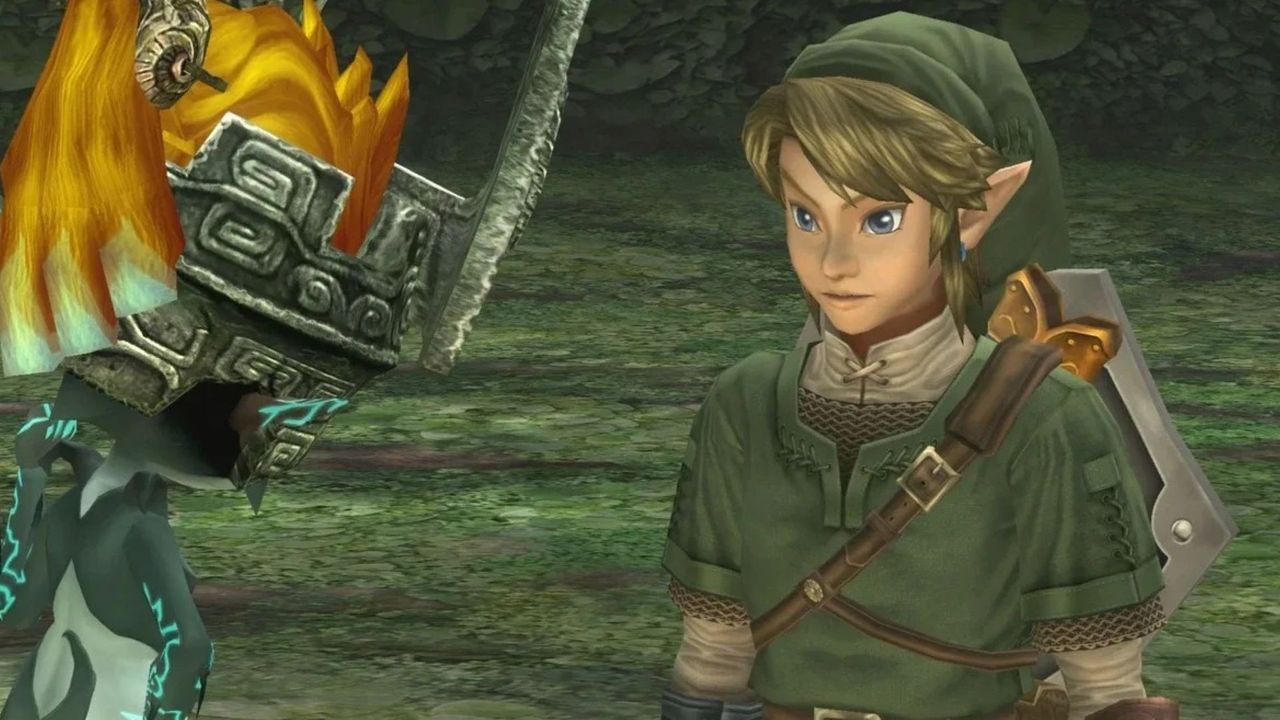
It was December 2006, and anticipation had reached fever pitch among Nintendo fans worldwide. After months of obsessively analyzing trailers and devouring every page of Official Nintendo Magazine, a brand new Zelda adventure was finally arriving. This wasn’t just any installment in the beloved franchise—it felt like THE definitive Zelda experience, a grittier spiritual successor to Ocarina of Time’s legendary throne, enhanced by the revolutionary motion controls of Nintendo’s brand new Wii console. Fans queued at midnight, rushed home with their precious copies, and played until the early morning hours, completely captivated by what unfolded before them. Yet surprisingly, it wasn’t the much-hyped waggle controls or the stunning graphics that delivered the most memorable thrills. Instead, it was Twilight Princess’s unwavering commitment to atmosphere, its meticulously crafted world, and the tangible feeling that this fantasy realm existed just beyond our fingertips—if only we could reach in and touch it.
Key Takeaways
- Twilight Princess dungeons prioritize spatial awareness and environmental detail over scale, making each room feel consequential
- Snowpeak Ruins integrates narrative directly into dungeon exploration through its Yeti inhabitants, creating emotional stakes beyond puzzle-solving
- Items like the Spinner and Ball and Chain were designed alongside their dungeons, creating satisfying ‘aha’ moments when unlocking them
- The game’s darker tone and intimate character cast, particularly Midna, established emotional connections that sprawling open worlds can struggle to replicate
- Twenty years later, these design principles contrast sharply with Breath of the Wild’s Divine Beasts, which many fans found less memorable
Now, as the game celebrates its twentieth anniversary, that extraordinary attention to detail, combined with its masterful balance of reality and fantasy, continues to cement Twilight Princess’s dungeons as the finest the franchise has ever produced. The game launched during a pivotal moment in gaming history, arriving alongside the Wii’s debut and representing Nintendo’s ambitious attempt to merge traditional Zelda gameplay with motion-controlled innovation. While the Wii version featured controls that had players swinging their remotes to simulate sword combat, the simultaneously released GameCube version proved that the game’s brilliance transcended its control scheme entirely.
Hyrule as a Living, Functional Place
Twilight Princess may feel quaint in hindsight when compared to the sprawling open worlds of Breath of the Wild and Tears of the Kingdom, but when it comes to solving puzzles and experiencing dungeons, this more focused approach works dramatically in its favor. Each dungeon feels like a distinct, essential component of Hyrule, carefully designed to be thoroughly absorbing rather than merely challenging. Scale operates both ways in game design, and spending extended time in smaller but richly detailed environments creates an unparalleled sense of spatial awareness and presence. The immersive qualities of the experience, whether through motion controls on Wii or traditional inputs on GameCube, help bridge the gap between player and protagonist.
Consider the Goron Mines, one of the game’s early dungeons that exemplifies this philosophy perfectly. This volcanic industrial complex genuinely feels like a functioning workplace within the game’s world. Heavy iron doors groan with authentic weight when Link heaves them open, and bridges thud with distinct metallic resonance when arrows are fired to release their mechanisms. You can practically feel the heat radiating from the molten rock below and imagine the Goron workers spending their days smelting ore in these treacherous depths. This grounding in apparent functionality makes every interaction more meaningful and every puzzle solution more satisfying. Breath of the Wild and its sequel offer infinitely more to accomplish, but occasionally the sheer scope of those worlds makes individual moments feel weightless by comparison. Twilight Princess ensures each room carries consequence, and every solved puzzle creates the sensation of shifting something monumental within the world.
Snowpeak Ruins and the Art of Subverting Expectations
Perhaps no dungeon better exemplifies Twilight Princess’s genius than Snowpeak Ruins, a location that subverts player expectations from the moment they arrive. This dungeon sneaks up on players organically, as they slowly realize this frosty mansion they’ve discovered is their latest mystery to unravel rather than simply a scenic rest stop. What makes Snowpeak truly special is how it integrates narrative directly into exploration. Throughout the dungeon, players consistently interact with the Yeti couple Yeto and Yeta, who actually inhabit this space as their home. This simple but effective choice strengthens the belief that you’re exploring a genuine location rather than an arbitrary obstacle course designed purely for the player’s benefit.
The emotional investment this creates pays dividends when Link finally unlocks the dungeon’s signature item: the magnificent Ball and Chain. After spending time with the Yetis, learning about their relationship, and understanding the mansion’s layout, swinging this devastating weapon through frozen corridors feels thoroughly earned. The sense of power and relief is palpable. More impressively, the Snowpeak boss encounter uses both these character interactions and your accumulated understanding of the space to craft an emotionally resonant confrontation rather than another generic monster battle. It transforms what could have been simple Ganon fodder into something genuinely affecting.
Dungeon Items That Reshape How You See the World
Speaking of the Ball and Chain, Twilight Princess features perhaps the finest selection of dungeon items in any video game, let alone any Zelda title. The Spinner represents a perfect case study in phenomenal dungeon design. Unlocking this Beyblade-esque method of transportation and suddenly understanding the purpose of those conspicuous jagged tracks carved into the walls of the Arbiter’s Grounds delivers immense satisfaction. The dungeon was designed around this item from inception, creating environments that suddenly make complete sense once you possess the tool to navigate them properly. The Spinner functions both as transportation through established environments and as an offensive weapon, demonstrated spectacularly in the exhilarating battle against the skeletal dragon Stallord.
Perhaps the game’s commitment to this darker tone represented an overcorrection following Wind Waker’s mixed reception—that beloved cel-shaded adventure had initially disappointed fans expecting a more mature aesthetic. Regardless of the motivation, Twilight Princess works extraordinarily hard to establish a persistent feeling of unease, an oppressive and omnipresent sense of dread permeating every corner of Hyrule. Link feels genuinely outmatched against the forces of twilight, and players naturally want to help every character encountered throughout the journey. The intimate cast of characters, including the mysterious Midna who remains one of the series’ most compelling companions, creates emotional stakes that larger-scale adventures sometimes struggle to achieve.
What Twilight Princess Means for Zelda's Future
Nintendo consistently crafts excellent dungeons across Zelda titles, though the Divine Beasts of Breath of the Wild represented a controversial departure that many fans found lacking. Twilight Princess’s dungeons succeeded through the perfect confluence of atmospheric tone, commitment to environmental realism, and gameplay systems that made every interaction feel meaningful. Even stripped of motion controls on GameCube, the game operates on multiple levels to ensure every action carries weight and importance. Link’s quest feels uniquely personal and intimate compared to his other adventures, with a standout supporting cast offering both assistance and genuine peril throughout the journey.
As the Zelda franchise continues evolving, with Tears of the Kingdom pushing open-world mechanics to unprecedented heights and future installments surely expanding horizons further, there’s value in remembering what made Twilight Princess’s approach so effective. The game’s dungeons demonstrate that scope isn’t everything—sometimes a smaller, more focused, and uniquely realized world creates deeper connections than vast wildernesses filled with countless activities. The sense of consequence and importance that emerges from interacting with functional, believable environments shouldn’t be sacrificed entirely in pursuit of player freedom. As we celebrate twenty years of Twilight Princess, its dungeons stand as enduring monuments to thoughtful design, proving that immersion stems not from scale alone but from the careful attention paid to every creaking door, every weighted mechanism, and every character who calls these spaces home.
Why Twilight Princess Dungeons Still Matter
The contrast between Twilight Princess and modern Zelda reveals a fundamental tension in game design: scale versus density. Breath of the Wild and Tears of the Kingdom offer unprecedented freedom and emergent gameplay, but their shrines and Divine Beasts lack the narrative integration that made dungeons like Snowpeak Ruins memorable. You don’t live in those spaces; you solve them and move on.
Twilight Princess took the opposite approach. Each dungeon functions as a believable extension of Hyrule’s world—the Goron Mines feel like an actual workplace, not an obstacle course. This commitment to environmental storytelling requires more handcrafted design work, which becomes increasingly expensive as player expectations grow.
Nintendo faces an interesting choice with future Zelda titles. The open-world formula has proven commercially successful, but the persistent fan nostalgia for traditional dungeons suggests appetite remains for denser, more authored experiences. A hybrid approach—perhaps fewer but more elaborate dungeon spaces within an open world—could satisfy both camps.
Whatever direction Nintendo chooses, Twilight Princess remains a useful reference point for what concentrated dungeon design can achieve when atmosphere, item design, and narrative work in concert rather than isolation.
Frequently Asked Questions
Is Twilight Princess available on Nintendo Switch?
As of the game’s twentieth anniversary, Twilight Princess has not received a Switch port. The most recent remaster is Twilight Princess HD for Wii U, released in 2016. The original versions remain playable on Wii and GameCube.
What makes Snowpeak Ruins different from other Zelda dungeons?
Snowpeak Ruins is unique because it’s an inhabited dungeon. The Yeti couple Yeto and Yeta live there, and players interact with them throughout exploration. This transforms the space from an abstract puzzle box into a location with emotional stakes and character investment.
Why do fans prefer Twilight Princess dungeons over Breath of the Wild shrines?
Traditional dungeons like those in Twilight Princess feature themed environments, narrative context, unique items, and climactic boss fights designed around those items. Breath of the Wild’s shrines and Divine Beasts, while offering more flexibility, lack this integrated design approach and feel more modular to many players.
Expert Opinion: Twilight Princess represents a crucial inflection point in Zelda’s design philosophy, demonstrating that atmospheric density and mechanical elegance can create experiences that resonate decades later. As Nintendo continues experimenting with open-world structures, the lessons from Twilight Princess’s dungeons—particularly the integration of narrative, environment, and item design—offer a template for future innovation. We may see a hybrid approach in upcoming titles that captures both the freedom of recent entries and the focused excellence that made these dungeons unforgettable.