
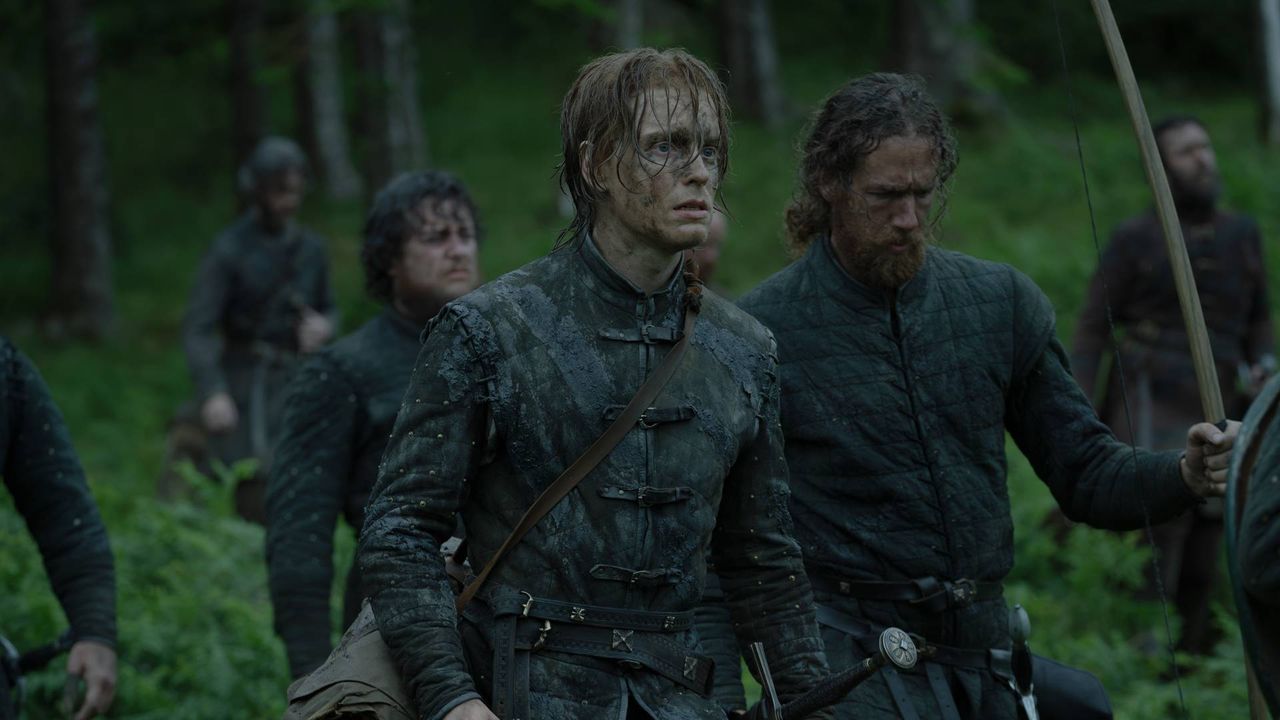
As House of the Dragon season 3 continues to unfold with increasingly dramatic twists and devastating battles, viewers have found themselves rallying behind an unexpected hero. Gwayne Hightower, once dismissed as a minor antagonist in the sprawling Targaryen civil war, has emerged as a surprising fan favorite, with audiences praising both the character’s development and the actor’s compelling performance. The sixth episode of the current season has particularly cemented Gwayne’s popularity, showcasing his loyalty, courage, and refreshing pragmatism amid the chaos of the Dance of the Dragons.
From Arrogant Knight to Beloved Character
When Gwayne Hightower first appeared in House of the Dragon, many viewers perceived him as little more than an arrogant nobleman, particularly given his dismissive attitude toward Criston Cole. However, the character’s journey through the horrors of war has transformed him into one of the most compelling figures in the series. In the latest episode, Gwayne arrives at Tumbleton after making the fateful decision to abandon Criston Cole’s side in the previous installment. His timing proved impeccable, as Criston meets his unceremonious death in the opening minutes of episode six, a moment that has left fans speculating about what might have been had Gwayne stayed.
At Tumbleton, Gwayne’s reunion with his nephew Daeron Targaryen has resonated deeply with audiences. The warmth and authenticity of their relationship stands in stark contrast to the toxic dynamic between Daeron and the domineering Ormund Hightower. Fans have noted the instant familial chemistry between the characters, praising the performances of both actors for conveying years of shared history in just a few scenes. One Reddit user commented, “Gwayne has become one of my favorites, I’m so glad he left Cole’s side when he did,” while another observed that the hallway conversation between Gwayne and Daeron was genuinely heartbreaking.
Defending Family Against All Odds
Perhaps the most thrilling moment for Gwayne supporters came when he successfully thwarted an assassination attempt on Daeron, despite enduring constant insults and dismissive treatment from Ormund Hightower. This act of heroism, combined with his willingness to speak truth to power, has earned Gwayne tremendous respect from the fanbase. “Gwayne literally took no shit from Ormund,” one viewer noted. “He wasn’t afraid of him or his tantrums, he spoke the truth at his face and really kept his patience with Ormund-the-man-baby.” The character’s ability to maintain his composure and moral clarity in such difficult circumstances has set him apart from many of the more volatile personalities on Team Green.
The transformation in audience perception has been remarkable. Many viewers who initially dismissed Gwayne as merely another pompous knight have completely reversed their opinions. “Yes, he definitely came off as an arrogant ass at first, with the way he spoke down to Criston,” one fan reflected. “You can see how the realities of war really broke down that kind of thinking. In front of dragons, they are all equally and simply men. Great character development.” This evolution speaks to the show’s commitment to nuanced storytelling, allowing characters to grow and change in response to the traumatic events unfolding around them.
The Actor’s Perspective on Complex Relationships
Actor Benjamin Evan Ainsworth, who portrays Daeron Targaryen, recently shared insights into the dynamic between his character and Gwayne. “I think they’re both parental figures, Gwayne and Ormund, and Gwayne is more brotherly, and Ormund is more domineering, and so we see a different kind of love and a different side of Daeron comes out when he’s with Gwayne,” Ainsworth explained. He described this relationship as bringing out something “more transparent, something more true to who he is as a person,” contrasting it with the calculated behavior Daeron must adopt around the volatile Ormund.
Ainsworth further elaborated on how war has affected even this cherished relationship. “Gwayne is someone that he’s been able to talk to, but I think the difference being, he’s come back war hardened and out the fight,” the actor noted. Working with both Freddie Fox and James Norton to explore these different facets of Daeron’s personality has been rewarding for the young actor, and fans have responded enthusiastically to the emotional depth these scenes provide. For viewers who sometimes criticize the show for what they perceive as filler content, these character moments represent exactly what makes House of the Dragon compelling television.
An Uncertain Future for a Fan Favorite
Despite the outpouring of affection for Gwayne Hightower, book readers know that his future is potentially grim. In George R.R. Martin’s “Fire & Blood,” Gwayne Hightower dies during the fall of King’s Landing, a major event that will likely occur before the series concludes. However, the show has demonstrated its willingness to deviate from source material when it serves the story, leaving Gwayne’s fate genuinely uncertain. “Gwayne is unexpectedly becoming the one person I’m keeping a tight prayer circle for during the Dance alongside Helaena,” one passionate fan declared, while another agreed that he has become their favorite character from Team Green despite the seemingly inevitable tragedy ahead.
House of the Dragon season 3 continues to air weekly on HBO Max, Sky, and NOW in the UK, and HBO in the United States. As the Dance of the Dragons intensifies and more beloved characters face mortal peril, Gwayne Hightower’s journey from overlooked supporting player to cherished fan favorite serves as a testament to the show’s rich character development and the talented ensemble bringing these complex figures to life.
Expert Opinion: Gwayne Hightower’s rise to fan favorite status demonstrates House of the Dragon’s storytelling strength in developing secondary characters beyond their book counterparts. The showrunners have wisely invested screen time in humanizing Team Green’s ranks, creating emotional stakes that will make inevitable casualties more impactful. Whether Gwayne survives past his book death remains uncertain, but his character arc suggests the writers understand that compelling television requires audiences to care deeply about characters on both sides of the conflict.