
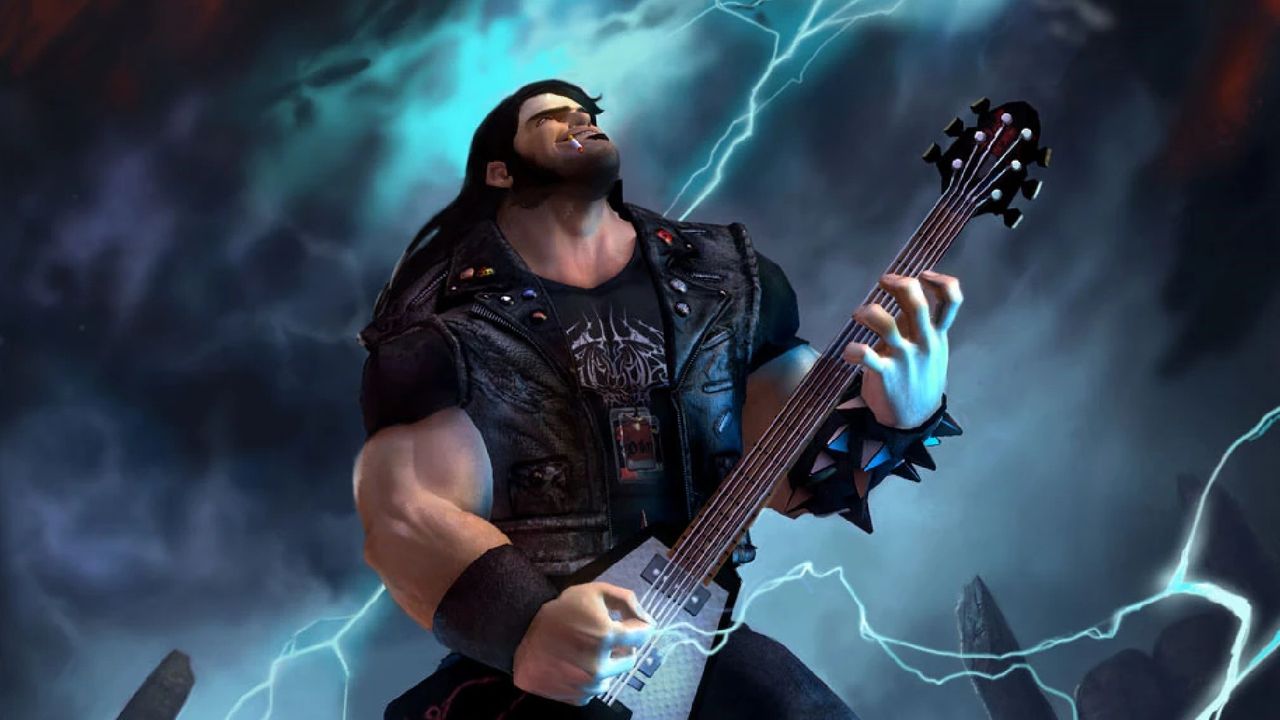
In a remarkable turn of events following Microsoft’s massive restructuring that eliminated 3,200 positions across Xbox, beloved game developer Double Fine Productions has emerged as one of the fortunate studios to reclaim its independence. The creators behind cult classics like Psychonauts and Brutal Legend are now returning to their roots in a way that long-time supporters will find nostalgic: launching a Kickstarter campaign to fund a two-week game jam that will determine the studio’s next project. This move represents a full-circle moment for a developer that has always maintained a unique relationship with its fanbase.
The campaign, bearing the elaborate title “Amnesia Fortnight 2026 – Indie Reboot: A Double Fine Productions Game Jam, Documentary and Kickstarter Campaign,” is scheduled to launch on August 31. According to the studio’s official announcement, backers will have the opportunity to vote on which concepts from Double Fine’s extensive library of ideas will be developed into four new prototypes. From those four finalists, one will ultimately evolve into what the studio describes as a “real (small) game.” This democratic approach to game development has long been a hallmark of Double Fine’s relationship with its community.
A Rich History with Crowdfunding and Fan Engagement
Double Fine’s relationship with Kickstarter runs deep, dating back to 2012 when the studio launched what would become one of the most significant crowdfunding campaigns in gaming history. That original project, which eventually became the point-and-click adventure game Broken Age, helped legitimize Kickstarter as a viable platform for video game development. While the development timeline extended significantly beyond initial projections, with the final product releasing in two parts across 2014 and 2015, the campaign demonstrated that passionate gaming communities could directly support the creation of titles that traditional publishers might overlook. The success of that campaign raised over $3.3 million from more than 87,000 backers, far exceeding its original $400,000 goal.
The Amnesia Fortnight concept itself predates the studio’s crowdfunding ventures. Originally conceived as an internal creative exercise during the stressful development of Brutal Legend in 2007, the game jam allowed developers to temporarily “forget” their current projects and spend two weeks exploring new ideas in small teams. This creative pressure valve proved remarkably productive, spawning commercial releases including the charming Halloween-themed RPG Costume Quest, the puzzle-adventure game Stacking, and most recently, Kiln. These smaller projects allowed Double Fine to experiment with genres and gameplay mechanics that might never have received approval through traditional development pipelines.
Documentary Coverage and IP Ownership Restored
Perhaps equally exciting for fans is the confirmation that 2 Player Productions will once again document the entire creative process. The production company previously created a 22-hour documentary series chronicling the development of Psychonauts 2, which received widespread acclaim from both audiences and industry professionals. Game developers particularly praised the documentary as providing unprecedented insight into the genuine challenges and complexities of creating video games, offering a transparent look that marketing materials rarely provide. This level of behind-the-scenes access has become something of a Double Fine tradition, with their development documentaries serving as valuable educational resources for aspiring game creators.
In another significant development, studio CEO Tim Schafer confirmed during an appearance on the Kinda Funny podcast that Double Fine has regained ownership of all its intellectual properties from Microsoft. “Everything, we got back, the transfer of the IP came back to us,” Schafer explained. “We have the publishing rights back to our games. It still says ‘Microsoft’ on some of them, but it just takes a while for it all to process. When people buy our games, it supports the studio.” This restoration of IP ownership represents a crucial step for the studio’s long-term sustainability and creative freedom, ensuring that future projects and potential sequels remain entirely under Double Fine’s control.
Challenges Ahead for the Newly Independent Studio
The transition to independence has not been without its costs. Double Fine recently announced layoffs affecting 23 employees as part of its separation from Microsoft’s umbrella. These cuts underscore the financial realities facing mid-sized game studios in today’s challenging market, where development costs continue to rise while consumer attention becomes increasingly fragmented. The gaming industry has experienced significant turbulence throughout 2024 and into 2025, with major publishers and platform holders alike implementing workforce reductions that have affected tens of thousands of professionals globally.
Despite these challenges, Double Fine’s return to its independent roots and direct fan engagement model represents a potentially promising path forward. The studio’s track record of delivering critically acclaimed, creatively ambitious titles has cultivated a dedicated fanbase that has repeatedly demonstrated willingness to support the studio’s vision. As Double Fine prepares to launch its Kickstarter campaign later this year, the gaming community will be watching closely to see whether the model that helped establish crowdfunding as a legitimate development pathway can continue to sustain creative studios in an increasingly corporate-dominated industry landscape.
Expert Opinion: Double Fine’s strategic return to Kickstarter represents a broader industry trend of established studios seeking alternative funding models to maintain creative independence. Given the studio’s proven track record with crowdfunding and the strong emotional connection fans have with their IP portfolio, this campaign is likely to succeed, potentially raising several million dollars. However, the real test will be whether this hybrid model of fan-funded development can provide sustainable revenue in an era where even major publishers struggle with profitability.