
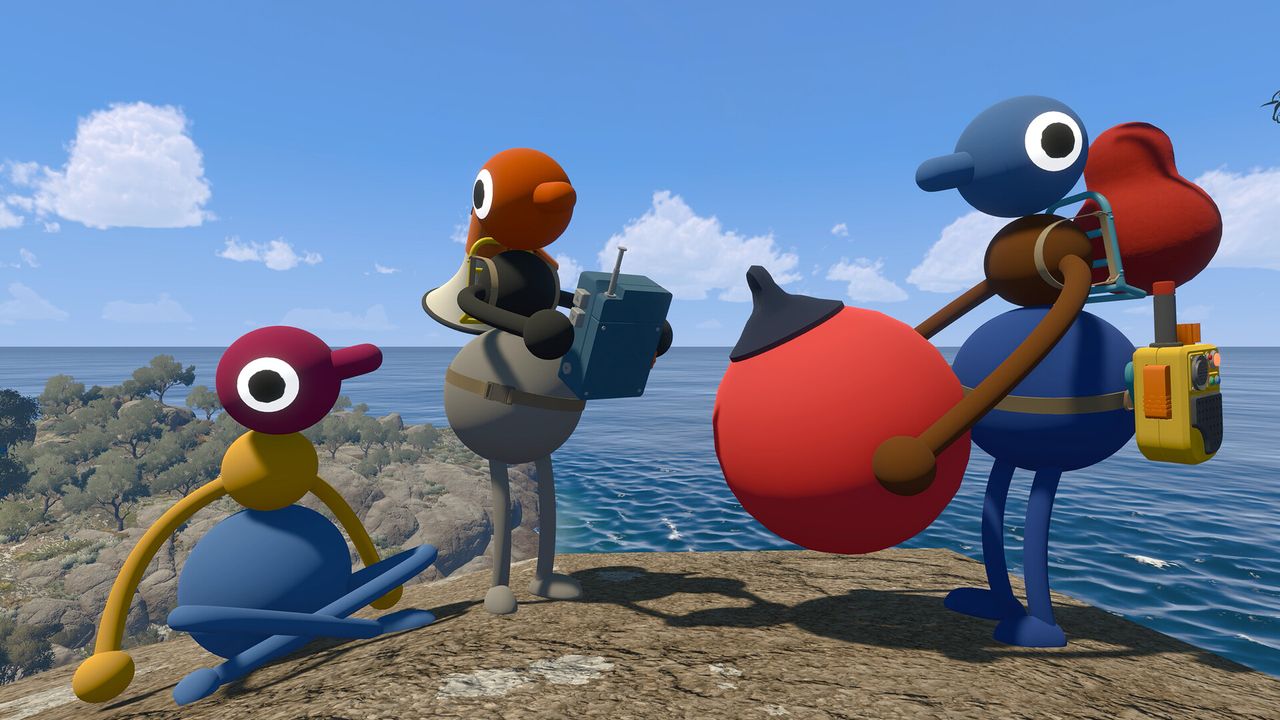
Seven years after capturing global attention with the delightfully chaotic Untitled Goose Game, Australian indie studio House House has once again proven its ability to create gaming phenomena. Their latest release, Big Walk, has rapidly ascended to become one of the highest-rated games of 2026, earning widespread critical acclaim and capturing the hearts of players worldwide. However, unlike most developers riding the wave of a successful launch, the team at House House isn’t rushing to announce sequels, expansions, or new projects. Instead, they’re signaling something refreshingly honest in the gaming industry: the need for rest and recovery after years of intensive development.
A Studio Built on Creative Burnout Recovery
In a candid Reddit AMA session following Big Walk’s successful launch, the developers at House House fielded numerous questions about the future of both their hit game and the studio itself. While the team provided thoughtful responses, the overarching message was clear: they’re exhausted and in no mood to immediately pivot to the next big thing. “We’re not really sure what Big Walk’s future looks like – getting this far took heaps of work and a long time!” one developer wrote. “We need a good rest before we start thinking about what’s next.” This honest admission stands in stark contrast to the typical gaming industry pattern, where successful launches are immediately followed by roadmaps, season passes, and announcements designed to maintain momentum and capitalize on commercial success.
The sentiment expressed by House House reflects a growing conversation within the gaming industry about sustainable development practices and the mental health toll of creating beloved interactive experiences. The phenomenon of developer burnout has become increasingly documented, with studios around the world grappling with the consequences of crunch culture and the relentless pressure to deliver content. House House’s willingness to publicly acknowledge their need for recuperation represents a mature approach to game development that prioritizes the wellbeing of creators over immediate commercial exploitation of their success.
Big Walk’s Design Philosophy Ensures Longevity
Despite confirming that there are currently “no content plans” in development for Big Walk, House House offered reassurance to players eager for more experiences within their game world. The studio emphasized that Big Walk was intentionally designed with an “unrestricted” approach, providing players with abundant opportunities for emergent gameplay and creative interaction without the need for additional downloadable content. At its price point of twenty dollars, currently discounted to fifteen, Big Walk already represents substantial value for players, offering hours of cooperative puzzle-solving and social gaming experiences. The developers encouraged their community to explore unintended interactions and create their own games within the existing framework. “We’ve had great success playing hide-and-seek amongst ourselves,” the team revealed during the AMA. “We hope the game world is generous enough to make your own games within it.”
This philosophy of creating expansive, player-driven experiences aligns perfectly with House House’s previous work on Untitled Goose Game, which similarly encouraged creative chaos and emergent storytelling despite its relatively contained scope. The 2019 release became a cultural phenomenon, spawning countless memes, inspiring fan art, and demonstrating that indie games could achieve mainstream penetration typically reserved for major studio releases. Big Walk appears to be following a similar trajectory, with its cooperative “friendslop” gameplay resonating particularly well in an era where social gaming experiences have become increasingly valued by players seeking connection through interactive entertainment.
The Future Remains Unwritten for House House
What makes House House’s approach particularly notable is their resistance to the industry standard of perpetual content delivery. Many successful games in the modern era are designed as ongoing services, continuously updated with new features, challenges, and purchasable content to maintain player engagement and revenue streams. House House’s willingness to release a complete, satisfying experience without predetermined plans for expansion suggests a different philosophy entirely, one that values artistic completion over commercial maximization. This approach carries obvious financial risks but also allows for the kind of creative freedom that produced both Untitled Goose Game and Big Walk in the first place.
The Melbourne-based studio has built its reputation on quality over quantity, releasing only two major games across nearly a decade of existence. This deliberate pace has allowed each release to feel like an event, a carefully crafted experience rather than another entry in an annual franchise. As the gaming industry continues to grapple with questions about sustainability, worker treatment, and creative integrity, House House’s transparent communication about their need for rest may influence how other studios approach post-launch periods. For now, players can enjoy Big Walk as the complete, generous experience it was designed to be, while the talented team behind it takes a well-deserved break from the demands of game development.
Expert Opinion: House House’s decision to prioritize rest over immediate expansion represents a potentially transformative moment for indie game development culture. As burnout continues to plague the industry, studios that demonstrate sustainable practices while still delivering critically acclaimed titles may establish new templates for success that don’t sacrifice creator wellbeing. The long-term viability of this approach will depend on whether the gaming community continues to support complete, standalone experiences over endless content cycles.