
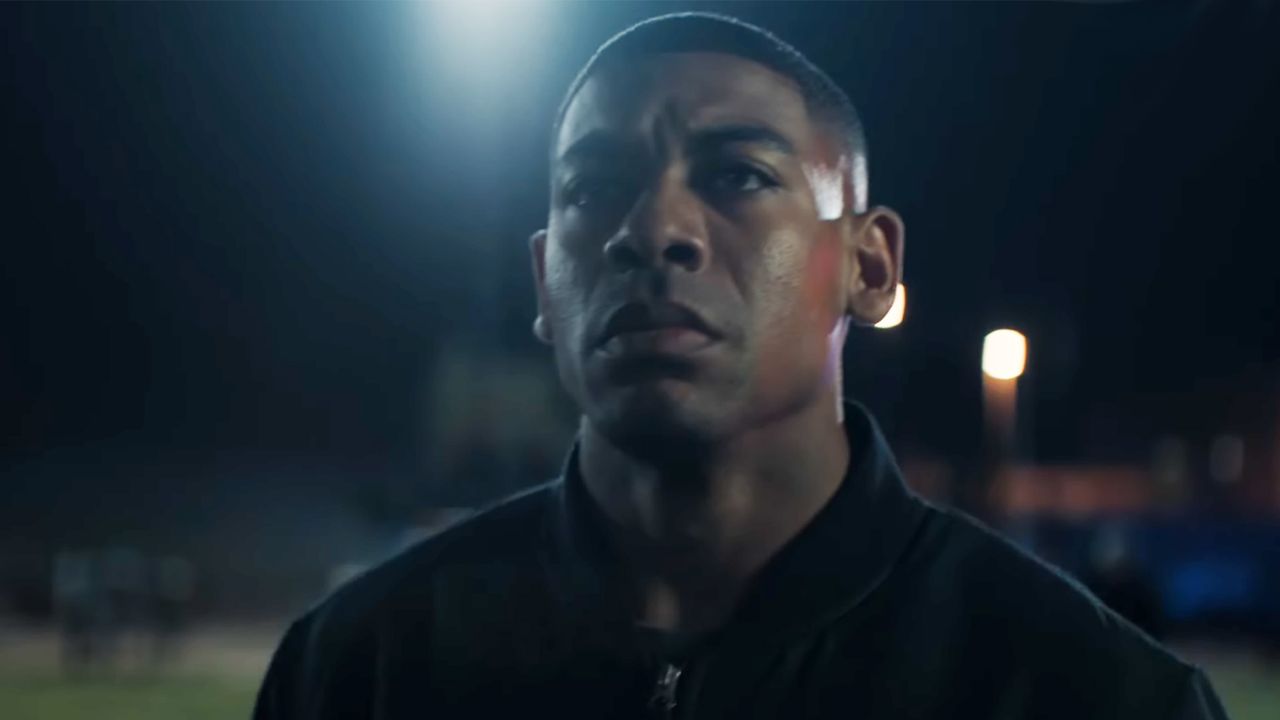
The DC Universe continues to expand its interconnected storytelling, but that doesn’t mean individual creators are being constrained by the bigger picture. Despite John Stewart being confirmed to appear in the upcoming Superman sequel Man of Tomorrow, Lanterns showrunner Chris Mundy has revealed that he was given remarkable creative freedom to tell the story he wanted to tell. The highly anticipated HBO series, which stars Aaron Pierre as the iconic Green Lantern, will debut this August and promises to bring a fresh, grounded approach to the superhero genre.
In a recent interview with SFX magazine, Mundy addressed questions about how the show fits into the broader DCU architecture being constructed by DC Studios co-chiefs James Gunn and Peter Safran. “We weren’t tasked with having any specific landing point, which was great for us because it gave us freedom to land the story where we wanted to land the story,” Mundy explained. This creative autonomy is particularly notable given how interconnected universe storytelling often requires creators to hit specific plot points to set up future projects. However, Mundy confirmed that coordination with DC Studios did occur, ensuring that where John Stewart ends up by the series’ conclusion will serve both the show’s narrative and the character’s future appearances.
A Different Kind of Superhero Story
From everything that has been revealed about Lanterns thus far, the series appears to be taking a dramatically different approach compared to previous Green Lantern adaptations. Rather than focusing on cosmic space opera elements, the show is being described as a gritty detective drama with a buddy cop dynamic at its core. Aaron Pierre’s John Stewart will be paired with Kyle Chandler’s Hal Jordan, creating a mentor-protégé relationship that explores themes of generational transition and the burden of heroic responsibility. This grounded approach represents a significant departure from the 2011 Ryan Reynolds Green Lantern film, which leaned heavily into CGI spectacle and was critically panned.
The creative team behind Lanterns brings impressive credentials to the project. Chris Mundy previously served as showrunner on Netflix’s acclaimed crime drama Ozark, which earned multiple Emmy Awards during its run. This background in character-driven crime storytelling clearly influences the direction of Lanterns, suggesting audiences can expect complex moral dilemmas and nuanced character development rather than straightforward superhero action. The involvement of such talent signals DC Studios’ commitment to treating their television projects with the same prestige as theatrical releases.
John Stewart’s Rich Comic Book History
John Stewart holds a special place in DC Comics history as one of the first African American superheroes to appear in mainstream comics. Created by writer Dennis O’Neil and artist Neal Adams, Stewart first appeared in Green Lantern #87 in December 1971. Originally introduced as a backup Green Lantern for Hal Jordan, the character was an architect from Detroit with a strong moral compass and unwavering dedication to justice. Over the decades, John Stewart has evolved from a supporting character to one of the most beloved Green Lanterns, gaining massive popularity through his prominent role in the acclaimed Justice League animated series that ran from 2001 to 2004.
The character’s upcoming appearance in Man of Tomorrow, the sequel to James Gunn’s Superman, indicates that DC Studios has significant plans for John Stewart beyond the Lanterns series. The film will reportedly see Superman forced into an unlikely alliance with Lex Luthor to combat the threat of Brainiac, one of the Man of Steel’s most formidable adversaries. How John Stewart factors into this cosmic conflict remains to be seen, but his inclusion suggests the DCU is moving toward larger team-up stories that will bring its heroes together in meaningful ways.
An Ensemble Cast Brings Depth to the Green Lantern Corps
Beyond its two leads, Lanterns boasts an impressive ensemble cast that promises to bring depth to the Green Lantern mythology. Academy Award-nominated actress Laura Linney joins the series in an undisclosed role, bringing decades of prestige television and film experience. Nathan Fillion, beloved by genre fans for his roles in Firefly and Castle, will portray Guy Gardner, the brash and hot-headed Green Lantern known for his ego and confrontational personality. Danish actor Ulrich Thomsen rounds out the announced cast as Sinestro, the former Green Lantern who eventually becomes one of the Corps’ greatest enemies.
Mundy has spoken about the thematic core of the series, describing it as fundamentally about replacement and transition. “Our show is in a lot of ways about replacement – when should someone step aside and when is it time for the next person to take the reins?” he explained. “That push and pull between those two characters is really important. So much of the power that John has is by not taking the bait, understanding that you lose your power if you’re yelling and screaming.” This philosophical approach to superhero storytelling suggests Lanterns will explore questions of legacy, responsibility, and emotional intelligence in ways that feel relevant to contemporary audiences.
Lanterns is scheduled to premiere on HBO on August 16, marking another significant milestone in the DCU’s carefully planned rollout. The series represents DC Studios’ commitment to exploring different genres and tones within their shared universe, allowing individual projects to maintain their own identity while contributing to the larger tapestry. As audiences await the series debut, expectations continue to build for what promises to be one of the most unique superhero television experiences in recent memory.
Expert Opinion: The approach DC Studios is taking with Lanterns represents a mature evolution in superhero storytelling, prioritizing character development and genre-specific craft over universe-building mandates. By giving showrunner Chris Mundy creative freedom while maintaining loose coordination with future projects, DC appears to have learned from past mistakes where interconnected storytelling strangled individual narratives. This balance between autonomy and connectivity could become the template for sustainable franchise building in the streaming era.