
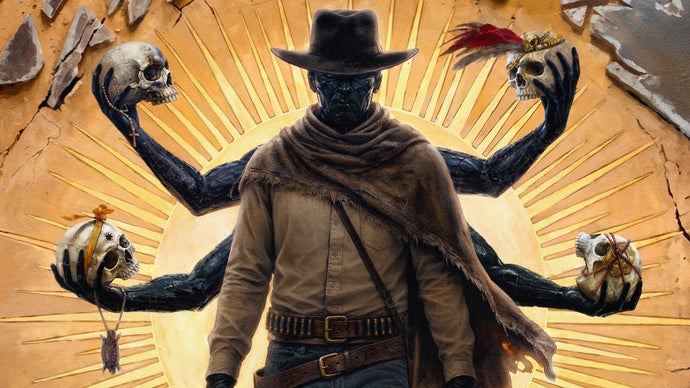
The gaming landscape has seen countless attempts to capture the magic of FromSoftware’s punishing design philosophy, but few have dared to transplant that formula into the dusty, supernatural corridors of the American frontier. Enter Guns of Eschaton, an ambitious first-person shooter that merges the methodical combat and strategic respawn mechanics of the Soulslike genre with the eerie, otherworldly atmosphere of the Weird West. Early hands-on impressions suggest that while the game presents a formidable challenge that may frustrate newcomers, it offers a distinctly refreshing take on two well-established gaming traditions.
The Weird West subgenre itself has experienced a renaissance in recent years, with titles like Desperados III, Evil West, and the aptly named Weird West proving that players have an appetite for supernatural tales set against frontier backdrops. This aesthetic combines classic Western imagery—saloons, tumbleweeds, six-shooters—with horror elements, occult mysteries, and creatures that belong more in nightmares than on the open range. Guns of Eschaton appears to lean heavily into this tradition, creating an atmosphere where every shadow might hide something malevolent and every bullet needs to count.
A Punishing Formula Gets a Fresh Coat of Gunpowder
The Soulslike genre, popularized by Dark Souls and its spiritual successors, has become one of gaming’s most influential design templates. Core elements include checkpoint-based progression where death resets progress, deliberate combat that punishes button-mashing, and environmental storytelling that rewards careful exploration. Guns of Eschaton maintains these fundamentals while replacing swords and shields with revolvers and rifles. The classic bonfire mechanic—where players rest to restore resources while respawning enemies—returns in a Western context, creating tension between the safety of these respite points and the dangerous territories between them.
What makes this transition particularly interesting is how first-person shooting fundamentally changes the Soulslike dynamic. Traditional entries in the genre rely heavily on readable enemy animations and dodge-rolling through attacks. Translating this to an FPS format requires careful rebalancing of enemy behaviors, player movement, and weapon mechanics. Early reports suggest that Guns of Eschaton demands precision aiming under pressure, resource management for limited ammunition, and tactical positioning that feels distinctly different from standard shooters.
Learning Curves and Growing Pains
One challenge facing Guns of Eschaton in its current state appears to be accessibility. Early players have noted that the game doesn’t always clearly communicate its mechanics, leaving newcomers to discover systems through trial and frequently fatal error. This design choice echoes the cryptic approach of Dark Souls, where player discovery forms part of the experience, but it can create frustration when combined with the inherent difficulty of the genre. The development team faces the delicate balance of maintaining challenge while ensuring players understand the rules by which they’re being tested.
Historical context suggests this is a common growing pain for Soulslike titles during development. Even Elden Ring, which achieved massive mainstream success, underwent significant refinement between early demos and final release. The genre’s dedicated fanbase tends to appreciate difficulty when it feels fair, but that fairness requires clear communication of player capabilities and enemy patterns. As Guns of Eschaton continues development, refinements to tutorial systems and visual feedback could significantly improve the new player experience without compromising the intended challenge.
The Future of Genre-Blending Innovation
Guns of Eschaton represents a broader trend in game development toward creative genre fusion. As individual genres become saturated, developers increasingly find success by combining unexpected elements. The Weird West setting provides not just aesthetic novelty but mechanical possibilities—supernatural abilities, cursed weapons, and otherworldly enemies that justify creative encounter design. If the development team can smooth the rougher edges while maintaining the game’s distinctive identity, Guns of Eschaton could carve out a unique niche in both the Soulslike and first-person shooter markets. For players willing to embrace the learning curve, this gunslinging nightmare may offer exactly the kind of challenging fresh experience they’ve been seeking.
Expert Opinion: The fusion of Soulslike mechanics with first-person shooting represents one of the most technically demanding genre combinations in current game development. Success will depend heavily on whether the team can translate the precise, readable combat that defines great Soulslikes into a format where threats often appear suddenly from any direction. If executed well, Guns of Eschaton could establish a new subgenre template that others will inevitably follow.