
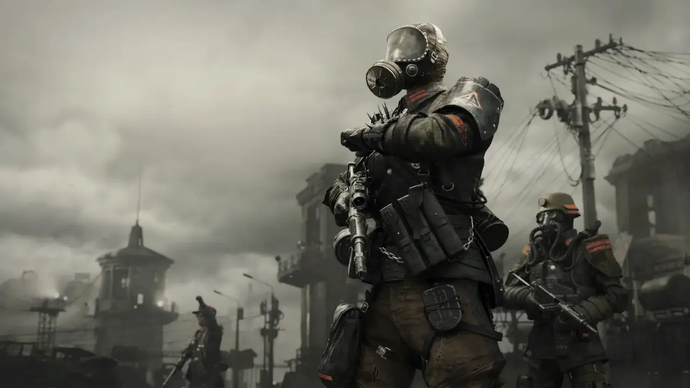
In an era where video games often depict conflict as entertainment spectacle, Metro 2039 emerges as something profoundly different — a meditation on warfare created by developers who experience its realities daily. Earlier this year, publisher Deep Silver and developer 4A Games released a statement outlining their vision for the upcoming installment in the beloved Metro franchise, revealing a game that promises to explore the darkest corners of human experience during wartime. The Ukrainian studio, working amid the ongoing Russian invasion of their homeland, has declared that Metro 2039 will focus on themes of “the cost of silence, the horrors of tyranny, and the price of freedom” — subjects that have become painfully personal for the development team.
The circumstances surrounding the game’s development are unprecedented in the gaming industry. Every day, the developers at 4A Games arrive at work uncertain whether they will face power outages, drone strikes, or worse. The simple acts that workers in peaceful nations take for granted — seeing loved ones in the evening, enjoying a hot meal, working without interruption — have become luxuries for these creators. This reality inevitably seeps into their creative work, promising to deliver a gaming experience that carries genuine emotional weight and authenticity that no amount of research or imagination could replicate.
The Metro Franchise: A History of Meaningful Storytelling
The Metro series has always distinguished itself from other post-apocalyptic franchises through its commitment to atmosphere and narrative depth. Based on Dmitry Glukhovsky’s novels, the games transport players to a devastated Moscow where survivors have retreated to the metro system following nuclear catastrophe. Since the first game’s release in 2010, the franchise has garnered critical acclaim for its immersive world-building, survival horror elements, and philosophical undertones. Metro 2033, Metro: Last Light, and Metro Exodus collectively sold millions of copies worldwide, establishing 4A Games as masters of atmospheric first-person storytelling.
What sets Metro apart from competitors like Fallout or The Last of Us is its unflinching examination of human nature under extreme duress. The games have never shied away from depicting the moral compromises people make to survive, the emergence of authoritarian factions in power vacuums, and the thin line between civilization and barbarism. These themes, always present in the series, now carry additional weight given the current circumstances facing the Ukrainian development team. The studio’s personal experience with invasion and resistance will likely inform every aspect of Metro 2039’s narrative.
Development Under Fire: The Reality of Creating Art in a Warzone
4A Games was founded in Kyiv, Ukraine, in 2006, and has remained committed to its homeland despite the challenges posed by the ongoing conflict. When Russia launched its full-scale invasion in February 2022, many predicted the studio would relocate entirely. While some team members have moved to safer locations, the core development team has remained in Ukraine, determined to continue their work while supporting their country. This decision speaks volumes about the resilience and dedication of the developers, and it explains why Metro 2039 feels less like a product and more like a statement.
The gaming industry has taken notice of 4A Games’ situation, with many observers noting that few creative works in any medium have been produced under such challenging circumstances. The developers have spoken about working through air raid sirens, maintaining productivity despite infrastructure attacks, and channeling their experiences into their art. Industry analysts suggest that Metro 2039 could become a landmark title — not just for its gameplay, but as a cultural artifact that captures the spirit of a nation under siege refusing to be silenced.
Why Games About War Need Authentic Voices
The announcement of Metro 2039’s thematic focus arrives at a time when the gaming industry faces increasing criticism for its often superficial treatment of warfare. Many military shooters present combat as consequence-free entertainment, divorced from the genuine human costs of conflict. Metro 2039, by contrast, promises to confront players with uncomfortable truths about tyranny, resistance, and the moral complexities of survival. Coming from creators who understand these realities firsthand, the game has the potential to elevate the medium’s treatment of war beyond mere spectacle into genuine artistic expression that provokes thought and empathy in equal measure.
Expert Opinion: Metro 2039 represents a watershed moment for video games as an artistic medium. When creators forge art from lived experience of conflict, the result transcends entertainment to become testimony. This title may well be remembered not only as a compelling game but as one of the most authentic depictions of wartime resistance ever produced in interactive media, potentially influencing how future developers approach serious subjects.