
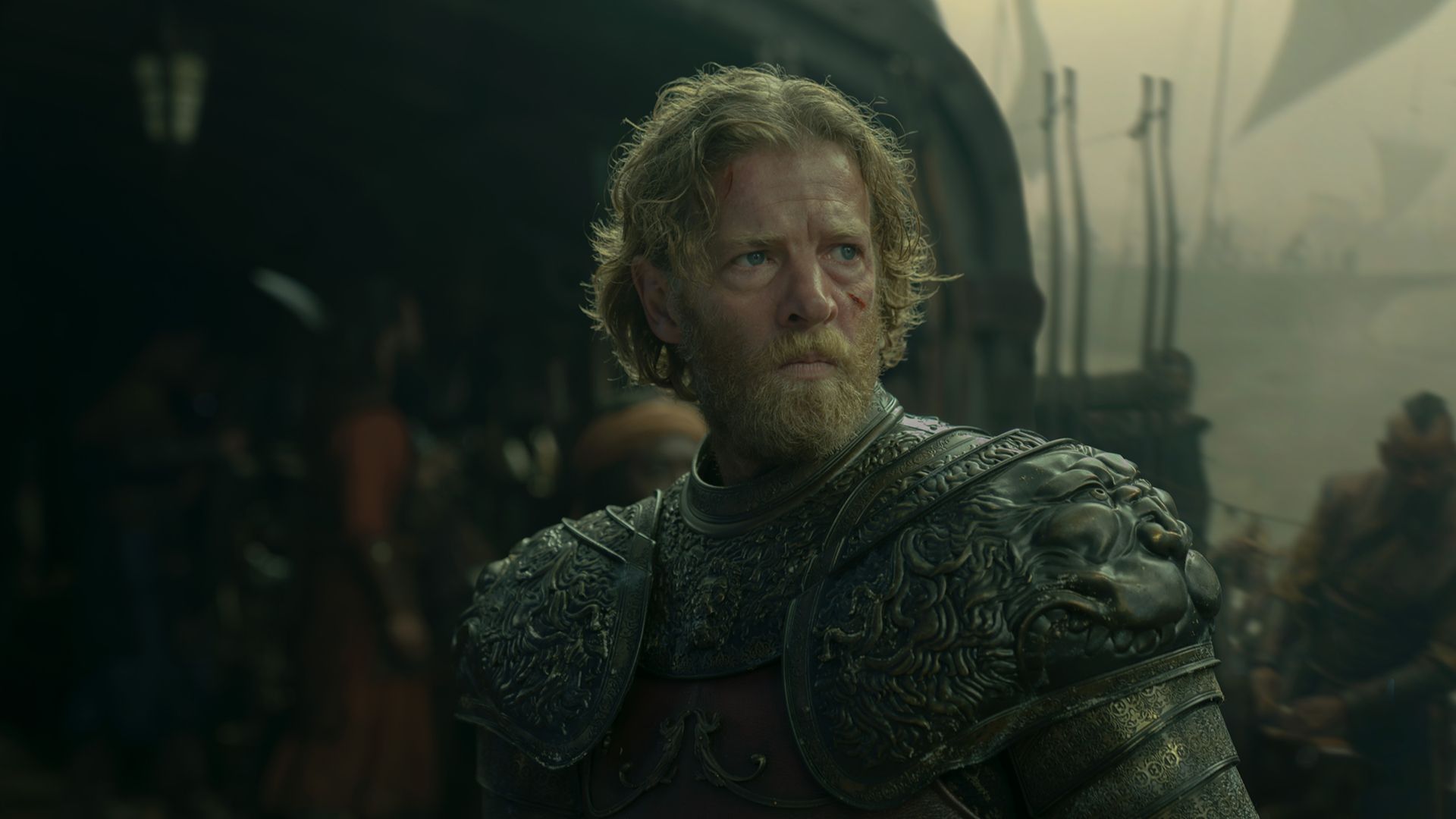
With Season 3 of House of the Dragon now wrapped up, devoted Game of Thrones fans find themselves in the familiar position of waiting another year or more for new episodes while passionately debating whether the show’s creative choices have enhanced or diminished the source material. The HBO series, which serves as a prequel to the groundbreaking Game of Thrones, has sparked considerable discussion among the fandom regarding its faithfulness to George R.R. Martin’s novel Fire & Blood. While some viewers embrace the showrunners’ willingness to chart their own course, book purists continue to scrutinize every deviation with intense attention to detail.
The return of Tyland Lannister in a new Game of Thrones-related release has reignited interest in this politically cunning character who played a pivotal role during the Dance of the Dragons, the Targaryen civil war that forms the backbone of House of the Dragon. Tyland, portrayed with memorable charm and complexity in the television adaptation, has become a fan favorite despite his relatively modest page time in Martin’s original work. His journey from loyal servant of the crown to one of the most consequential figures of the conflict demonstrates the rich storytelling potential that exists within the deeper corners of Westeros lore.
The Legacy of House Lannister in Westeros History
House Lannister has consistently proven to be one of the most fascinating noble houses in the entire Game of Thrones universe, with their influence stretching across centuries of Westerosi history. Long before Tywin, Cersei, and Tyrion dominated the narrative of the original series, the Lannisters of Casterly Rock were already master manipulators of court politics and financial power. Tyland Lannister exemplified these traits during the Dance of the Dragons, serving as Master of Ships and later Master of Coin on the Small Council. His twin brother Jason Lannister led the family during this turbulent period, and together they represented the Green faction’s alliance with powerful Western lords.
The historical significance of the Lannisters during this era cannot be overstated. Their wealth, derived from the gold mines beneath Casterly Rock, made them indispensable allies to whoever sat upon the Iron Throne. Tyland’s financial acumen proved crucial to the Green cause, as he helped finance military campaigns and maintain the realm’s economic stability during wartime. His character arc in House of the Dragon has allowed viewers to explore a different dimension of Lannister cunning, one focused less on direct confrontation and more on the subtle art of political survival.
Fan Reactions and the Ongoing Source Material Debate
The polarization among Game of Thrones enthusiasts regarding adaptation choices reflects a broader conversation happening across entertainment media about the nature of faithful adaptations. Fire & Blood, unlike the main A Song of Ice and Fire novels, is written as a historical account rather than a traditional narrative, giving showrunners significant creative latitude to flesh out characters and events that receive only passing mention in the text. This structural difference has allowed House of the Dragon to develop original storylines while still adhering to the major historical beats established by Martin.
Critics of the show’s approach argue that certain changes undermine carefully constructed character motivations or alter the thematic resonance of key events. Supporters counter that television storytelling requires different techniques than prose fiction, and that some modifications enhance emotional engagement for viewers unfamiliar with the books. The debate surrounding Tyland Lannister’s portrayal exemplifies this tension, as the show has expanded his role considerably beyond what appears in Fire & Blood, creating new scenes and relationships that exist purely within the television continuity.
Looking Ahead: The Future of Westeros Entertainment
As fans await the next season of House of the Dragon, the expanded Game of Thrones universe continues to grow through various media releases, including video games, companion books, and merchandise featuring beloved characters like Tyland Lannister. HBO’s commitment to developing additional spin-off projects suggests that the world Martin created will remain a dominant force in fantasy entertainment for years to come. The success of House of the Dragon, despite its controversies, has demonstrated that audiences remain hungry for stories set in Westeros, particularly those that explore previously untold chapters of its complex history.
The ongoing conversation about adaptation fidelity ultimately speaks to the passionate engagement that Martin’s work inspires among readers and viewers alike. Whether one prefers strict adherence to source material or welcomes creative reinterpretation, the vitality of these debates reflects the enduring power of the Game of Thrones franchise to captivate imaginations and inspire thoughtful discussion about storytelling, history, and the nature of power itself.
Expert Opinion: The return of Tyland Lannister in new Game of Thrones content signals HBO’s strategic focus on developing secondary characters who resonated with audiences, potentially setting up expanded storylines in future seasons or spin-offs. This approach of mining the rich supporting cast for additional content represents a sustainable model for franchise expansion that balances fan service with narrative innovation.