
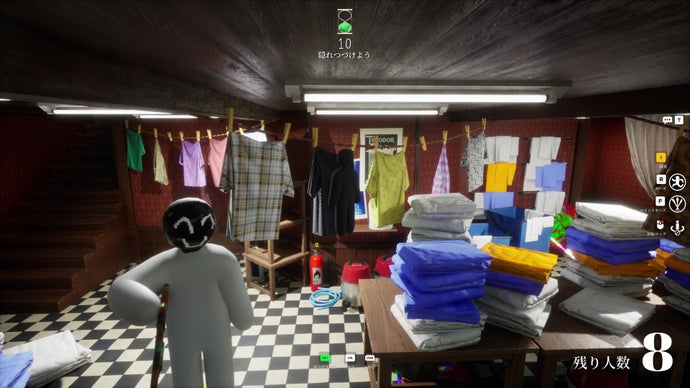
The indie gaming sensation Meccha Chameleon, which has rapidly climbed the Steam charts since its release, experienced a deeply troubling weekend that has left both developers and players scrambling to respond. The popular prop hunt game found itself at the center of a cybersecurity nightmare when reports emerged that several user-created maps available through Steam Workshop contained hidden malware. Compounding the crisis, the game’s official Discord server was simultaneously compromised by hackers, creating a perfect storm of security concerns for the game’s rapidly growing community.
The malware discovery came to light when vigilant community members noticed suspicious behavior after downloading certain Workshop maps. The game’s developer quickly acknowledged the reports and began investigating the scope of the breach. Steam Workshop, Valve’s platform for user-generated content, allows players to create and share custom maps, skins, and modifications for supported games. While this feature has been instrumental in extending the longevity of countless titles, it also presents inherent security risks that game developers must carefully manage.
Understanding the Steam Workshop Vulnerability
The Steam Workshop system has long been a double-edged sword for the gaming community. On one hand, it democratizes content creation and allows passionate fans to contribute meaningfully to their favorite games. On the other hand, the sheer volume of user-submitted content makes comprehensive security screening practically impossible. Valve employs various automated systems to detect malicious files, but sophisticated actors can sometimes circumvent these protections. This incident with Meccha Chameleon highlights the ongoing challenges facing platforms that host user-generated content, and serves as a reminder that even seemingly harmless game modifications can pose serious security threats to unsuspecting players.
Historical precedent for such incidents exists across the gaming landscape. In previous years, popular titles including Team Fortress 2, Garry’s Mod, and various other Workshop-enabled games have faced similar challenges with malicious user-created content. Security researchers have repeatedly warned that executable files and scripts embedded within Workshop items can potentially access system resources, harvest personal data, or install additional malware payloads. The gaming community has generally operated on a trust-based system, but incidents like this erode that foundation and force players to become more cautious about the content they download.
Discord Server Compromise Amplifies Concerns
The timing of the Discord server hack alongside the malware discovery has raised questions about whether the two incidents are connected. Discord servers serve as vital communication hubs for gaming communities, and when compromised, they can be used to spread misinformation, phishing links, or additional malware to trusting community members. The Meccha Chameleon development team has not yet confirmed whether the two security breaches share a common source, but cybersecurity experts note that coordinated attacks targeting multiple platforms simultaneously are becoming increasingly common in the gaming space.
For players who may have downloaded affected Workshop content, security professionals recommend running comprehensive antivirus scans and monitoring their systems for unusual activity. The developer has urged the community to avoid downloading any Workshop maps until the situation is fully resolved and verified safe maps can be clearly identified. Steam users can also review their download history and remove any suspicious content from their local game files. This incident serves as a stark reminder of the importance of maintaining up-to-date security software and exercising caution when downloading user-generated content, even from established platforms like Steam Workshop.
The Road to Recovery for Meccha Chameleon
Despite this setback, Meccha Chameleon’s core gameplay and official content remain unaffected by the malware incident. The development team has been praised for their rapid response and transparent communication with the community. Moving forward, players can expect enhanced security measures and potentially stricter vetting processes for Workshop submissions. The incident, while damaging in the short term, may ultimately lead to improved safety protocols that benefit the entire Steam Workshop ecosystem. As the investigation continues, the gaming community watches closely, hoping that lessons learned from this breach will help prevent similar incidents in the future.
Expert Opinion: This incident underscores a growing trend of threat actors targeting gaming platforms where security awareness is traditionally lower than in enterprise environments. As games increasingly rely on user-generated content ecosystems, we can expect platform holders like Valve to implement more rigorous automated scanning and possibly manual review processes for Workshop submissions. Developers of popular titles should consider implementing sandboxed environments for user content and establishing bug bounty programs to incentivize security researchers to identify vulnerabilities before malicious actors can exploit them.