
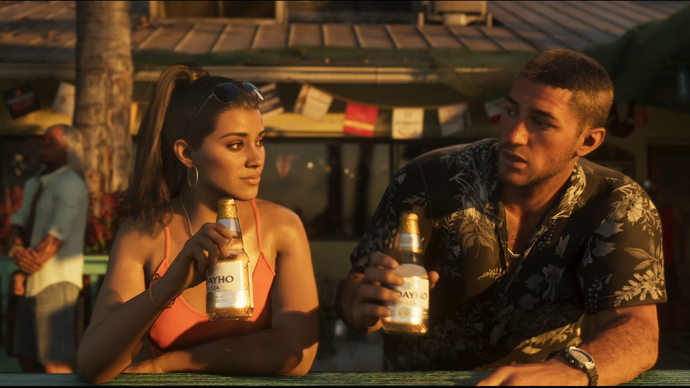
In a significant moment for gaming preservation advocates, Rockstar Games co-founder Dan Houser and longtime Rockstar writer Lazlow Jones have publicly addressed the ongoing debate surrounding physical video game releases. Their comments come at a critical juncture in the gaming industry, where the shift toward digital distribution has sparked passionate discussions about consumer rights, game preservation, and the future of physical media. Houser, one of the creative minds behind the legendary Grand Theft Auto franchise, suggested that gaming companies should listen to consumer demand, stating that if players want physical copies of their games, companies should provide them.
The remarks from such influential figures in the gaming industry carry considerable weight, particularly given Rockstar Games’ status as one of the most successful and respected developers in the world. With titles like Grand Theft Auto V selling over 200 million copies and Red Dead Redemption 2 achieving both critical acclaim and commercial success, the opinions of Rockstar’s founding members resonate deeply within the gaming community. Their acknowledgment of the physical games debate signals that even major industry players recognize the legitimacy of consumer concerns about the disappearing physical media landscape.
The Digital Shift and Consumer Concerns
The gaming industry has undergone a dramatic transformation over the past decade, with digital distribution becoming the dominant method of game delivery. Platforms like Steam, PlayStation Store, Xbox Game Pass, and Nintendo eShop have made purchasing and downloading games more convenient than ever before. However, this convenience has come at a cost that many consumers find troubling. When players purchase digital games, they are essentially buying a license to access the content rather than owning a tangible product. This means that if a digital storefront shuts down, or if a publisher decides to delist a title, consumers could potentially lose access to games they paid for.
Recent events have intensified these concerns. The closure of various digital storefronts and the delisting of numerous games have demonstrated that digital purchases are not as permanent as physical ownership. High-profile cases, such as the removal of classic games due to licensing issues or the shutdown of online services that rendered certain titles unplayable, have galvanized a growing movement advocating for physical game preservation. Organizations like the Video Game History Foundation have been vocal about the importance of preserving games as cultural artifacts, arguing that the industry’s shift away from physical media threatens to erase significant portions of gaming history.
Industry Veterans Speak Out
Dan Houser’s comments represent a notable departure from the typical corporate stance on digital distribution. Most major publishers have enthusiastically embraced digital sales due to the higher profit margins they offer, eliminating manufacturing, shipping, and retail costs associated with physical products. For a figure of Houser’s stature to publicly acknowledge that consumer preferences should drive business decisions is significant. Houser departed Rockstar Games in 2020 after helping build the company into one of the most valuable entertainment brands in the world, and his perspective carries the credibility of someone who has operated at the highest levels of the industry.
Lazlow Jones, who worked alongside Houser for decades and contributed to the distinctive humor and cultural commentary that defined the GTA series, has similarly shown support for preserving consumer choice. The duo’s intervention in this debate comes at a time when many gamers feel increasingly powerless against industry trends that prioritize corporate convenience over consumer rights. Their voices join a growing chorus of developers, journalists, and preservationists who argue that the gaming industry must do more to protect both its history and its customers’ investments.
The Path Forward for Physical Media
Despite the challenges facing physical media, there are signs of hope for those who prefer tangible game copies. Limited Run Games and similar publishers have built successful businesses around producing physical versions of digital-only titles, demonstrating that a market for physical games continues to exist. Meanwhile, some major releases still receive elaborate physical editions complete with additional collectibles, suggesting that publishers recognize the value consumers place on owning something tangible. The question remains whether mainstream publishers will continue to support standard physical releases or relegate them to premium collector’s editions only.
The debate also intersects with broader conversations about digital ownership across entertainment industries. Similar discussions are occurring in the music and film sectors, where streaming services have largely replaced physical media ownership. However, the interactive nature of video games presents unique preservation challenges, as games often require specific hardware or software environments to function properly. As the industry continues to evolve, the voices of influential figures like Houser and Jones may help shape policies that balance business interests with consumer rights and cultural preservation.
Expert Opinion: The intervention of gaming industry veterans like Dan Houser signals a potential turning point in the physical media debate. As regulatory bodies worldwide begin scrutinizing digital ownership practices and consumer protection laws evolve, we may see publishers adopt hybrid approaches that maintain digital convenience while guaranteeing long-term access through physical options or improved digital preservation commitments. The next five years will likely determine whether physical games survive as a mainstream format or become a niche collectible market.