
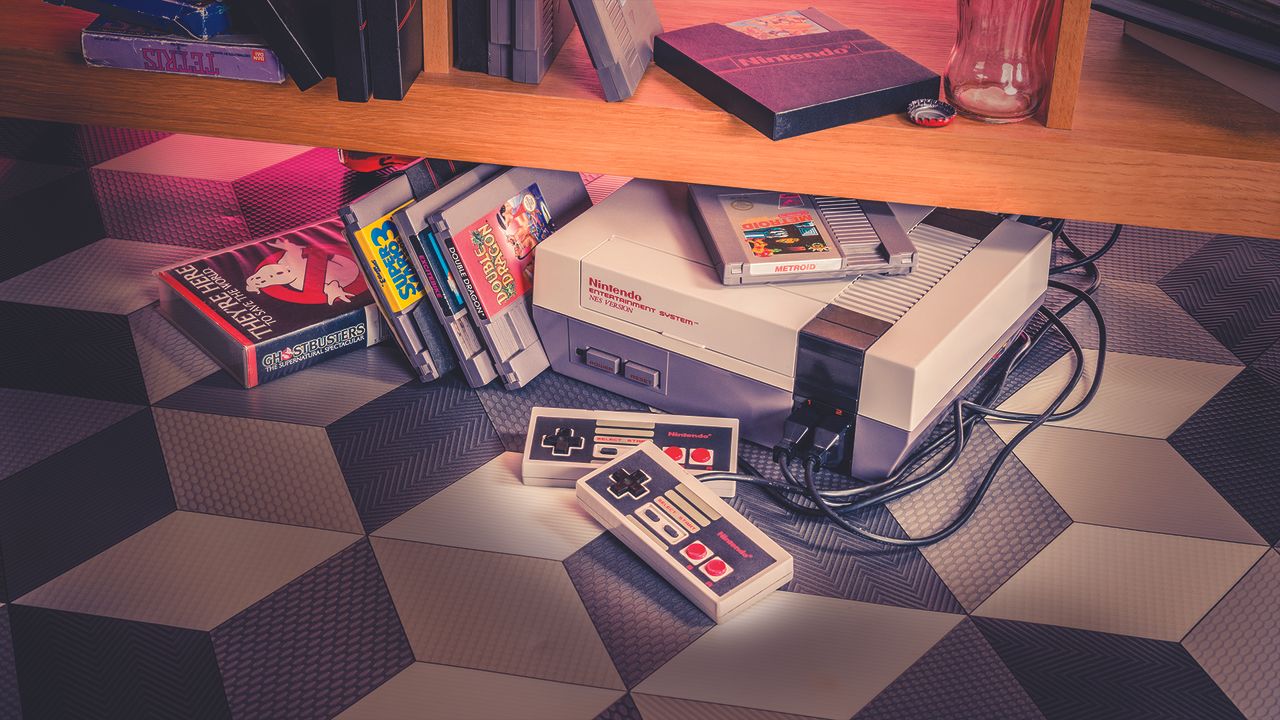
In a revealing interview with Japanese gaming publication Famitsu, Nintendo fellow and legendary game designer Shigeru Miyamoto has shared fascinating insights into the company’s philosophy behind the Nintendo Entertainment System. According to Miyamoto, widely celebrated as the creator of iconic franchises like Mario and The Legend of Zelda, Nintendo deliberately positioned the NES – known as the Family Computer or Famicom in Japan – to challenge the prevailing notion that home gaming consoles were merely children’s toys. This strategic approach would ultimately revolutionize the entire video game industry and establish Nintendo as a dominant force in interactive entertainment.
The NES, originally released in Japan in July 1983, arrived during a tumultuous period for the video game industry. The North American market had just experienced the devastating crash of 1983, which saw revenues plummet from $3.2 billion to just $100 million by 1985. Many retailers were skeptical of video games entirely, viewing them as a passing fad. Nintendo’s decision to market the system as an “Entertainment System” rather than a “video game console” in Western markets was a deliberate attempt to distance itself from the stigma associated with the failed Atari era.
From Arcade Cabinets to Living Room Entertainment
Miyamoto’s interview sheds light on Nintendo’s transition from creating arcade cabinets to developing home console hardware. The designer explained that the fundamental concept behind the Famicom emerged from observing player behavior in arcades. “At the arcades people can’t just spend money like water, so the idea for the Famicom came from the thought that ‘they’d be able to play as many times as they wanted if they had this game at home,'” Miyamoto revealed. This philosophy of bringing the arcade experience into households would become a cornerstone of Nintendo’s business strategy for decades to come.
The arcade industry in the early 1980s was experiencing unprecedented success, with games like Donkey Kong – Miyamoto’s own creation – generating enormous revenues. However, the economic model of coin-operated gaming meant that players had limited time with each game unless they continued feeding quarters into the machine. Nintendo recognized an opportunity to capture this audience by offering unlimited play sessions at home, fundamentally changing the relationship between players and games.
Bridging the Gap Between Toys and Technology
Miyamoto provided crucial context about the competitive landscape of the era, noting that the Famicom entered a market where personal computers held significantly more prestige than gaming consoles. “There were already things out there called ‘home consoles’ and PCs like the NEC’s PC-6001 or the MSX came out around the same time as the Famicom,” he recalled. “However, PCs were held in higher regard than consoles, which were ‘just toys.'” Earlier systems like the Magnavox Odyssey, released in 1972, and the Atari 2600 from 1977 had established the home console category but lacked the technical sophistication to compete with emerging personal computer platforms.
The distinction between “toy” and “technology” was not merely semantic during this period. Personal computers were seen as educational tools and productivity devices, while video game consoles were often dismissed as frivolous entertainment for children. Nintendo’s engineering team, led by Masayuki Uemura, designed the Famicom with custom hardware that could deliver graphics and gameplay experiences approaching arcade quality – a significant technical achievement that helped legitimize the platform.
Redefining What a Console Could Be
Miyamoto firmly believes that the NES succeeded in carving its own unique path by demonstrating capabilities that transcended the “toy” label. “I think the Famicom bridged the gap between console and PC as it was a toy, but also it wasn’t just a toy,” he explained. “If you can port games to it that are almost as good as the arcade versions, then I don’t think it’s just a toy.” This philosophy guided Nintendo’s approach to software development, resulting in groundbreaking titles like Super Mario Bros., which sold over 40 million copies and became synonymous with video gaming itself.
The NES ultimately sold approximately 62 million units worldwide, single-handedly reviving the North American video game market and establishing many conventions that persist in the industry today. Looking toward the future, Miyamoto expressed hope that Nintendo’s multi-console household strategy will continue to expand. He acknowledged that some dedicated fans already own “multiple Nintendo consoles at home” and expressed his desire for this to become “the norm” in the future, calling it “the best scenario” for the company’s continued growth and success in an increasingly competitive gaming landscape.
Expert Opinion: Miyamoto’s reflections reveal a masterclass in strategic positioning that modern tech companies still study today. By refusing to accept the limiting “toy” categorization, Nintendo essentially created the template for how gaming hardware should be marketed – as legitimate entertainment technology worthy of investment. This foundational philosophy continues to influence Nintendo’s approach with the Switch and its successors, prioritizing gameplay innovation over raw technical specifications.