
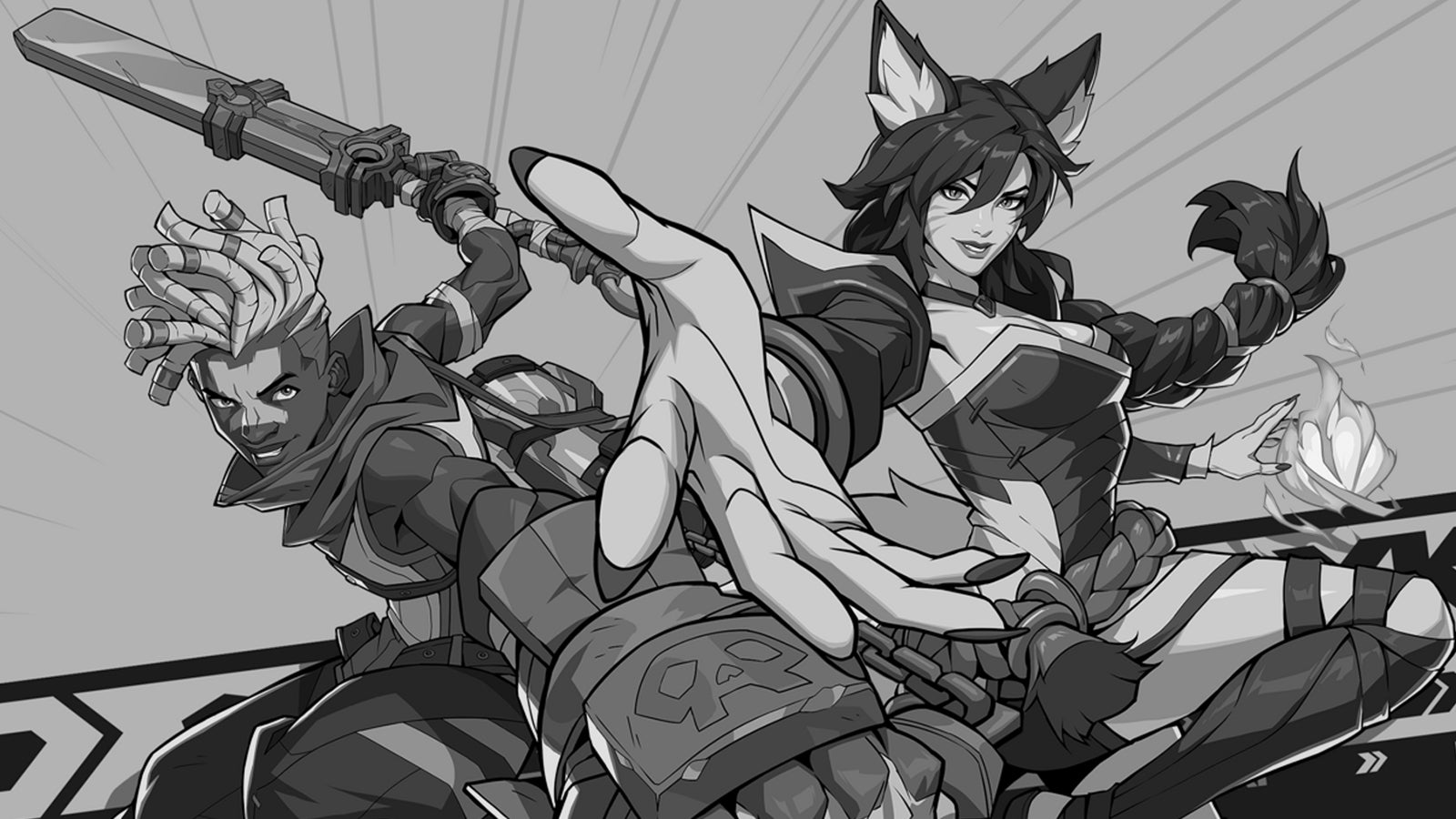
In what many are calling one of the most disappointing announcements in the gaming industry this year, Riot Games has confirmed that its ambitious League of Legends-based fighting game, 2XKO, will cease active development in December 2026. The news, while not entirely unexpected given recent developments, has sent shockwaves through the fighting game community. The announcement came via an official blog post on August 20, where the development team candidly admitted that player retention numbers simply could not justify continued investment in the title. Despite an enthusiastic core community, the broader player base failed to materialize in the numbers Riot had hoped for when they first unveiled the project.
Player Retention Issues Force Riot’s Hand
The 2XKO development team was remarkably transparent about the factors that led to this difficult decision. In their blog post, they explained that while many players tried the game at launch, the crucial metric of player retention fell far short of sustainable levels. “Over the last few months, we’ve been monitoring 2XKO’s trajectory closely, and what we’ve seen is painting a clear, consistent picture,” the team wrote. They noted that despite having an incredible dedicated community that played daily, the overall player numbers never reached the threshold necessary for long-term viability. This admission highlights a common challenge in the free-to-play gaming market, where initial downloads and player trials often fail to translate into lasting engagement.
The fighting game genre has historically been considered niche compared to other competitive gaming categories like battle royales or MOBAs. Industry analysts have long noted that fighting games require significant time investment to master, which can create barriers to entry for casual players. 2XKO attempted to bridge this gap by incorporating familiar League of Legends characters and implementing a tag-team format designed to be more accessible, but ultimately these innovations proved insufficient to capture a mainstream audience. The game launched to generally positive reviews, with particular praise for its visual presentation and character designs, but competition from established franchises like Street Fighter 6 and Tekken 8 made gaining market share exceptionally difficult.
What Remains for Dedicated Players
Despite ending active development, Riot has outlined a comprehensive plan to support existing players through the transition. Online servers will remain operational beyond 2026, and offline play will continue to function indefinitely. The final content patch is scheduled for October, which will include two new champions, Lux and Samira, along with various feature improvements. A final bug fix patch will arrive in December, marking the conclusion of official development work. However, the company’s language regarding long-term server availability has left some uncertainty, with the blog post noting that “advanced notice” would be provided if circumstances change.
In an unusually generous move for a game ending development, Riot announced that all in-game purchases made prior to August 20 will be fully refunded. Additionally, the company will offer a comprehensive cosmetic bundle containing nearly all 2XKO content for $39.99, while most items will become available through in-game Credits. Perhaps most significantly, all gameplay content including all champions will be unlocked for all players, removing the monetization barriers that previously existed. The ranked lobby system will be disabled to consolidate the player pool and improve matchmaking, though casual lobbies will continue to use skill-based matching algorithms.
Competitive Scene Winds Down
The 2XKO Competitive Series will continue through the remainder of 2026, with Riot pledging ongoing support for tournament organizers during this transition period. The company will continue providing prize pools for all Major and Challenger events, with the final official Competitive Series event scheduled for November. Looking ahead to 2027 and beyond, tournament organizers will retain the ability to host both offline and online events using community competition guidelines, ensuring that passionate players can continue to compete even without official backing. This approach mirrors how other discontinued fighting games have maintained grassroots competitive scenes years after official support ended.
The development team provided additional context about their decision-making process, revealing that they explored numerous alternatives before reaching this conclusion. Options considered included further workforce reductions (following layoffs in February that had already significantly impacted the team), adjusted patch schedules, and entirely new business models. Ultimately, none of these alternatives presented a viable path forward. The team acknowledged that while “diehard tag fighter players loved 2XKO,” the broader fighting game audience “struggled to find reasons to stick with the game.” This candid assessment suggests fundamental design or market fit issues that no amount of post-launch support could have addressed.
Community and Industry Reaction
The response from the fighting game community has been overwhelmingly negative, though much of the criticism has been directed at Riot Games’ corporate decision-making rather than the development team itself. The Evolution Championship Series (Evo), the world’s most prestigious fighting game tournament, issued a statement expressing solidarity: “Not the news we wanted to hear today. Sending love to the team who worked so hard to bring the game to life.” Players on social media platforms expressed both grief for the game’s demise and frustration with what they perceive as Riot’s pattern of abandoning projects that don’t achieve League of Legends-level success.
This announcement adds 2XKO to a growing list of Riot Games projects that have been scaled back or cancelled in recent years, fueling criticism that the company holds unrealistic expectations for its ventures outside the League of Legends ecosystem. Critics argue that comparing every new title to one of the most successful games in history creates an impossible standard. The League of Legends franchise, which launched in 2009, has generated billions in revenue and maintains one of the largest player bases in competitive gaming history. Few games in any genre have achieved comparable success, making it an arguably unfair benchmark for newer titles operating in smaller market segments like fighting games.
Expert Opinion: The demise of 2XKO underscores a troubling trend in the gaming industry where publishers increasingly expect immediate, blockbuster-level returns on investment. While Riot’s transparency about player metrics is commendable, the fighting game community’s concerns about corporate expectations are valid—sustainable niche games can be profitable without reaching mainstream heights. This situation may discourage future investment in fighting games from major publishers, potentially leaving the genre’s future primarily in the hands of established Japanese developers like Capcom, Bandai Namco, and Arc System Works.