
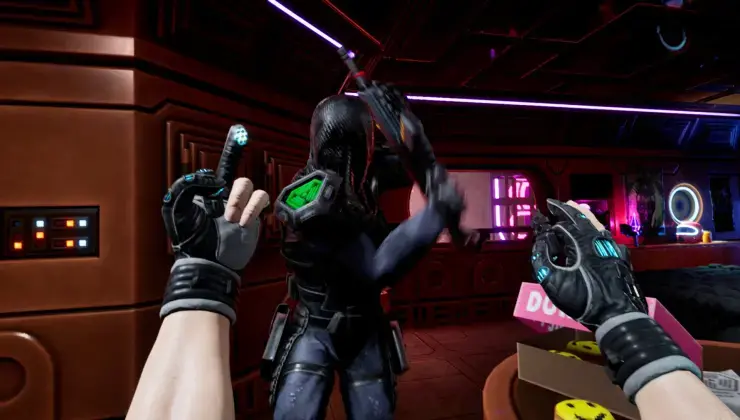
The virtual reality gaming community has received a substantial wave of exciting news following the recent VR Games Showcase, which unveiled several highly anticipated titles that promise to push the boundaries of immersive gaming. Among the standout announcements were VR adaptations of beloved franchises including System Shock and High On Life, sending ripples of excitement through the gaming world. These reveals come at a pivotal moment for the VR industry, as the technology continues to mature and attract mainstream attention from both developers and players alike.
The announcement of System Shock VR represents a particularly significant moment for fans of the iconic science fiction franchise. The original System Shock, released in 1994 by Looking Glass Technologies, is widely regarded as one of the most influential games in the immersive simulation genre, laying groundwork that would later inspire titles like BioShock and Deus Ex. The prospect of experiencing the claustrophobic corridors of Citadel Station and confronting the malevolent AI SHODAN in full virtual reality has generated tremendous enthusiasm among longtime fans. The recent System Shock remake, which launched to critical acclaim, demonstrated that the franchise still resonates with modern audiences, making this VR adaptation a logical and exciting next step for the series.
High On Life Brings Its Unique Comedy to Virtual Reality
High On Life VR marks another ambitious project revealed during the showcase. The original game, developed by Squanch Games and created by Justin Roiland of Rick and Morty fame, became a surprise hit when it launched in 2022, attracting millions of players with its irreverent humor and unique talking weapon mechanics. The game’s distinctive style, featuring sentient guns that provide constant comedic commentary during gameplay, seems particularly well-suited for the intimate nature of virtual reality experiences. Players will soon be able to physically hold and interact with characters like Kenny the pistol and Gus the shotgun, potentially creating an even more personal and hilarious connection with the game’s memorable cast of talking firearms.
The VR Games Showcase itself has become an increasingly important event in the gaming calendar, serving as a dedicated platform for virtual reality announcements that might otherwise get lost in larger gaming presentations. As VR technology continues to evolve, with improvements in display resolution, tracking accuracy, and comfort, the demand for high-quality content has never been greater. Industry analysts estimate that the global VR gaming market could exceed $50 billion by 2030, driven by both standalone headsets like the Meta Quest series and PC-based solutions that offer premium experiences. The showcase reflects this growing market by presenting a diverse lineup of titles across various genres and platforms.
The Waiting Game for New VR Hardware
While the software announcements have generated considerable excitement, many VR enthusiasts remain focused on anticipated hardware developments, particularly from Valve. The gaming giant, which released the highly acclaimed Valve Index headset in 2019 and the groundbreaking Half-Life: Alyx in 2020, has been rumored to be working on new VR hardware. References to a device codenamed “Deckard” have appeared in various leaks and patent filings over the years, fueling speculation about a standalone or hybrid VR headset from the company. The community’s eagerness for what some call the “Steam Frame” reflects the trust Valve has built through its commitment to quality and innovation in the VR space.
The broader context of these announcements reveals a VR industry that has matured significantly since the early consumer headsets of 2016. Early VR gaming was often characterized by short, experimental experiences that struggled to justify hardware investments. Today, the landscape features full-length AAA titles, thriving multiplayer communities, and sophisticated fitness applications. The adaptation of established franchises like System Shock and High On Life represents a strategic approach by developers, leveraging existing intellectual property and fan bases to attract players who might otherwise hesitate to invest in VR gaming. This trend suggests confidence in the medium’s commercial viability and long-term sustainability.
Looking Ahead to the Future of Immersive Gaming
As the VR gaming ecosystem continues to expand, events like the VR Games Showcase play a crucial role in maintaining momentum and building community anticipation. The titles announced represent just a fraction of the development activity occurring across the industry, with studios of all sizes exploring the unique possibilities of virtual reality. For players who have already invested in VR hardware, these announcements validate their choice and promise countless hours of new immersive experiences. For those still on the fence, the growing library of compelling content may finally provide the push needed to take the virtual plunge. The future of VR gaming appears brighter than ever, with 2026 shaping up to be a landmark year for the technology.
Expert Opinion: The strategic decision to adapt proven franchises like System Shock and High On Life for VR signals a maturing market where developers are increasingly confident in recouping significant development investments. This franchise-adaptation approach could accelerate mainstream VR adoption by attracting established gaming audiences, potentially triggering a positive feedback loop of increased hardware sales and subsequent software development that the industry has long anticipated.