
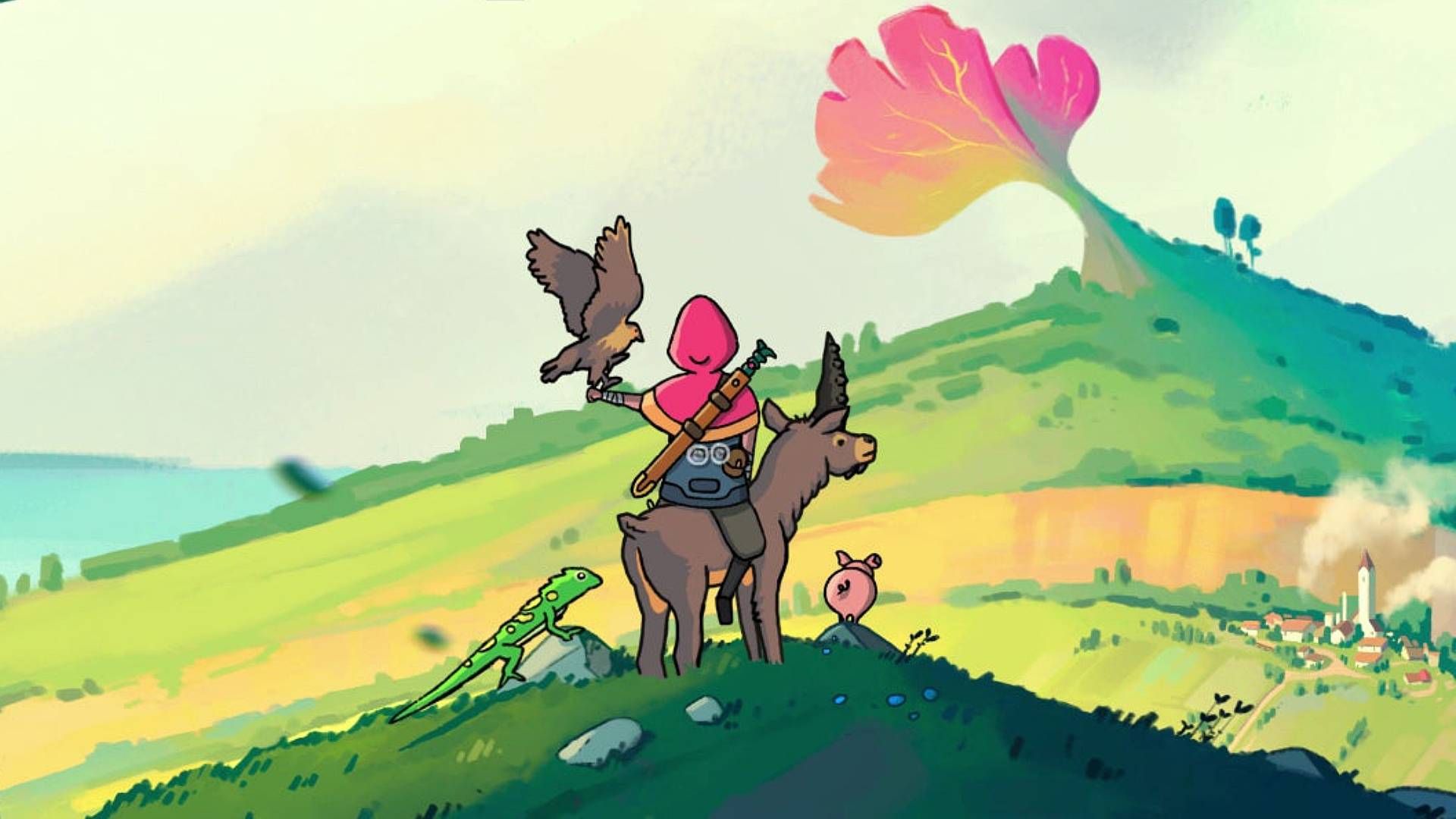
In the ever-expanding landscape of indie gaming, a new contender has emerged that dares to blend the beloved elements of three gaming giants into one cohesive experience. The ambitious new open-world RPG draws inspiration from Nintendo’s legendary franchises Pokémon and The Legend of Zelda, while simultaneously incorporating the charming life simulation mechanics that made Stardew Valley a cultural phenomenon. This bold fusion represents one of the most audacious attempts in recent memory to capture lightning in a bottle not once, but three times over.
The gaming industry has witnessed countless attempts to replicate the success of these iconic titles, yet precious few have managed to capture even a fraction of their magic. Pokémon, which debuted in 1996, has sold over 480 million video games worldwide and spawned a multimedia empire worth billions. The Legend of Zelda, dating back to 1986, consistently ranks among the greatest video game franchises ever created, with recent entries like Breath of the Wild and Tears of the Kingdom redefining open-world game design. Meanwhile, Stardew Valley, developed entirely by one person named Eric Barone, has sold over 30 million copies since its 2016 release, proving that heartfelt indie projects can compete with major studio productions.
A Unique Blend of Beloved Gameplay Elements
What makes this new title particularly intriguing is its willingness to tackle multiple complex gameplay systems simultaneously. The creature collection and battling mechanics evoke the addictive loop that has kept Pokémon fans engaged for nearly three decades. Players can discover, capture, and train various fantastical creatures across the game’s expansive world, building teams and developing strategies for combat encounters. This system appears to maintain the depth that competitive Pokémon players crave while remaining accessible to newcomers.
The exploration and adventure components draw heavily from Zelda’s design philosophy, emphasizing discovery, puzzle-solving, and a sense of wonder as players traverse diverse biomes and uncover ancient secrets. The open-world structure allows for non-linear progression, encouraging players to chart their own course through the narrative. Dungeons, environmental puzzles, and action-oriented combat sequences punctuate the journey, providing variety and challenge throughout the experience.
Life Simulation Meets Epic Adventure
Perhaps the most surprising element of this hybrid title is its integration of Stardew Valley-style life simulation mechanics. Players can cultivate crops, raise animals, build relationships with NPCs, and gradually develop their homestead alongside the more action-oriented gameplay. This combination creates a unique rhythm where peaceful farming sessions provide respite from intense battles and exploration, while the adventure elements prevent the simulation aspects from becoming monotonous. The seasonal cycles and relationship systems add layers of depth that extend the game’s longevity significantly.
Industry analysts note that this approach represents a growing trend in game development, where creators increasingly seek to combine established formulas in innovative ways. The success of games like Hades, which merged roguelike mechanics with narrative-driven storytelling, demonstrates that thoughtful genre fusion can yield remarkable results. However, the complexity of balancing three distinct gameplay pillars presents significant design challenges that have caused similar projects to falter in the past.
The Future of Genre-Blending Games
As the gaming community eagerly anticipates more details about this ambitious project, discussions about its potential have already begun dominating online forums and social media platforms. Players hungry for fresh experiences that honor their favorite classics while offering something genuinely new are watching this development closely. Whether this new RPG can successfully deliver on its lofty promises remains to be seen, but its mere existence signals an exciting era of creative ambition in game development where the boundaries between genres continue to blur in fascinating ways.
Expert Opinion: This ambitious genre-blending approach represents the natural evolution of indie game development, where smaller teams leverage nostalgia while innovating beyond what established franchises typically attempt. If executed successfully, this title could establish a new template for hybrid games that satisfy multiple player demographics simultaneously, potentially influencing major studio projects in the coming years.