
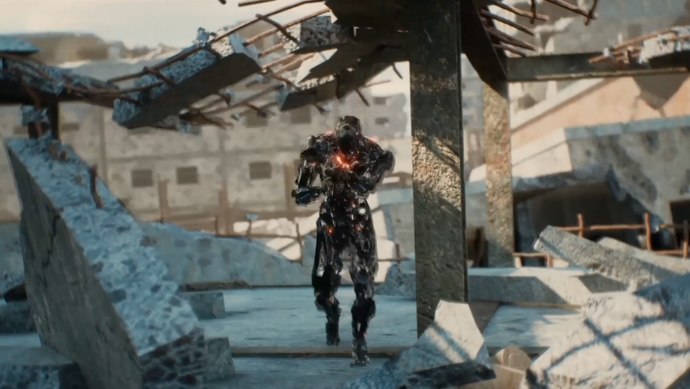
A new extraction shooter called BR1 Infinite is making waves in the gaming industry by implementing a controversial monetization model that pays players real money for every kill they achieve in the game. This unprecedented approach to competitive gaming has immediately drawn criticism from industry observers, regulatory experts, and gaming communities who are raising serious concerns about the potential for gambling-like mechanics and widespread cheating that such a system could enable.
The game, which falls into the increasingly popular extraction shooter genre alongside titles like Escape from Tarkov and Hunt: Showdown, appears to be attempting to differentiate itself in a crowded market by offering direct financial incentives for gameplay performance. However, this bold strategy has opened a Pandora’s box of ethical, legal, and practical questions that the gaming industry has never had to address at this scale before.
How the Payment System Works
BR1 Infinite’s core premise revolves around rewarding players with real monetary compensation based on their in-game performance, specifically the number of eliminations they achieve during matches. While the exact payment structure and amounts have not been fully disclosed, reports suggest that players can earn small sums of money for each successful kill they register. This creates a direct correlation between skill, time investment, and financial reward that fundamentally changes the nature of the gaming experience from entertainment to something resembling work or gambling.
The extraction shooter genre typically involves players entering maps, collecting valuable loot, and attempting to escape with their gathered items while competing against other players and AI enemies. Adding real money to this already high-stakes formula dramatically increases the pressure and potential consequences of each encounter. Games in this genre are known for their punishing mechanics where death means losing everything you brought into the match, but BR1 Infinite takes this concept to literal financial extremes.
Gambling Concerns and Regulatory Questions
Perhaps the most significant concern raised by industry analysts centers on whether BR1 Infinite’s model constitutes a form of gambling that could fall under regulatory scrutiny. When real money is at stake based on performance in a competitive environment, the line between gaming and gambling becomes increasingly blurred. Various jurisdictions around the world have strict regulations governing gambling activities, requiring licenses, age verification systems, and consumer protections that traditional video games typically do not need to implement.
Legal experts have noted that games offering real money prizes often fall into gray areas of gambling law, particularly when the outcome is influenced by both skill and chance. While player skill certainly plays a role in shooting games, factors like spawn locations, equipment availability, and opponent matchmaking introduce elements of randomness that could potentially classify the experience as gambling under certain legal frameworks. Countries like Belgium and the Netherlands have already taken aggressive stances against gambling-like mechanics in video games, and BR1 Infinite could face significant obstacles in these markets.
The Cheating Epidemic Waiting to Happen
Beyond gambling concerns, the introduction of real money rewards creates powerful incentives for cheating that could undermine the entire gaming experience. The video game industry already struggles with combating cheaters in competitive titles, with sophisticated aimbots, wallhacks, and other unauthorized software plaguing popular games despite significant anti-cheat investments. When actual money is on the line for every kill, the motivation to cheat increases exponentially, potentially attracting organized cheating operations and professional hackers who see the game as a source of income rather than entertainment.
Historical precedent suggests that games with valuable rewards attract the most determined cheaters. Counter-Strike’s skin gambling ecosystem spawned numerous cheating scandals, while games with ranked competitive modes consistently battle against boosting services and cheat software. BR1 Infinite would need to implement extraordinarily robust anti-cheat measures and verification systems to ensure fair play, investments that could quickly become unsustainable if cheating becomes widespread. The economics of paying players for kills only works if the kills are legitimate, creating a constant arms race between developers and those seeking to exploit the system.
Expert Opinion: The BR1 Infinite model represents a dangerous experiment that could attract regulatory crackdowns across multiple jurisdictions while simultaneously creating an unsustainable cheating crisis. If this model gains traction, expect gaming regulatory bodies to accelerate efforts to classify such systems as gambling, potentially reshaping how competitive games can monetize player engagement in the future.