
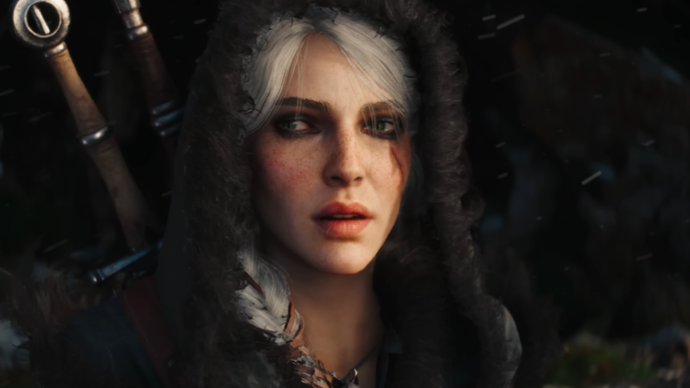
Polish video game developer CD Projekt Red has provided fans with a significant update regarding the highly anticipated next installment in The Witcher franchise. In a recent announcement, the studio revealed that it is targeting a 2028 release date for The Witcher 4, giving eager players a clearer timeline for when they might return to the beloved fantasy universe. Joint-CEO Michal Nowakowski described the project as the company’s “biggest, boldest, and most ambitious game to date,” setting expectations extraordinarily high for what promises to be a landmark title in the action RPG genre.
The announcement comes after years of speculation about when the next mainline Witcher game would arrive. CD Projekt Red first confirmed the project’s existence in 2022 under the codename “Polaris,” but concrete details about the release window remained elusive until now. The 2028 target date suggests a development cycle of approximately six years, which aligns with industry standards for AAA open-world RPGs of this scale. However, Nowakowski was careful to use the word “targeting,” acknowledging that game development timelines are notoriously fluid and subject to change based on various factors including technical challenges, quality assurance needs, and market conditions.
A New Chapter Without Geralt
The Witcher 4 marks a significant departure from previous entries in the franchise, as players will not be controlling the iconic monster hunter Geralt of Rivia. Instead, CD Projekt Red has confirmed that the game will feature a new protagonist, with many fans speculating that Ciri, Geralt’s adoptive daughter and a prominent character in The Witcher 3, could take center stage. This transition represents both an opportunity and a risk for the studio, as Geralt has become synonymous with the franchise since the original game launched in 2007. The character’s gravelly voice, silver hair, and moral complexity helped define an entire generation of video game protagonists.
The Witcher series, based on the fantasy novels by Polish author Andrzej Sapkowski, has grown into a multimedia phenomenon. The games have sold over 75 million copies worldwide, while Netflix’s television adaptation starring Henry Cavill further expanded the franchise’s global reach. This massive fanbase creates both tremendous anticipation and significant pressure for CD Projekt Red to deliver an experience that honors the source material while pushing the boundaries of interactive storytelling.
Learning From Past Challenges
CD Projekt Red’s ambitious claims about The Witcher 4 will inevitably draw comparisons to the troubled launch of Cyberpunk 2077. That game, released in December 2020, was plagued by technical issues, particularly on last-generation consoles, leading to unprecedented refunds and a temporary removal from the PlayStation Store. The debacle significantly damaged the studio’s reputation, which had been built on the critical and commercial success of The Witcher 3: Wild Hunt. However, the company has since worked diligently to rehabilitate Cyberpunk 2077 through extensive patches and the well-received Phantom Liberty expansion, demonstrating its commitment to eventually delivering on its promises.
Industry analysts suggest that CD Projekt Red has learned valuable lessons from the Cyberpunk 2077 experience. The company has restructured its development processes, expanded its workforce, and established a secondary studio in Boston through the acquisition of The Molasses Flood. These changes appear designed to ensure that The Witcher 4 receives the development time and resources necessary to meet the studio’s lofty ambitions without repeating past mistakes. The decision to announce a target date rather than a firm release window may also reflect a more cautious approach to managing player expectations.
The Road Ahead
With approximately three years of development still ahead, details about The Witcher 4’s gameplay mechanics, setting, and story remain largely under wraps. CD Projekt Red has confirmed that the game is being built using Unreal Engine 5, departing from the proprietary REDengine used in previous titles. This technological shift could enable more impressive visuals and potentially smoother development, as Unreal Engine 5 has already proven its capabilities in titles like Fortnite and the upcoming Fable reboot. Fans can likely expect more information to emerge gradually as the 2028 target approaches, though the studio has historically been selective about revealing details until they are confident in the final product.
Expert Opinion: The 2028 target represents a calculated move by CD Projekt Red to rebuild trust with its audience after the Cyberpunk 2077 launch difficulties. By setting expectations transparently and allowing adequate development time, the studio positions itself to deliver a polished product that could reestablish its reputation as a premier RPG developer. Success with The Witcher 4 would not only satisfy longtime fans but potentially set new standards for open-world fantasy gaming in the next generation.