
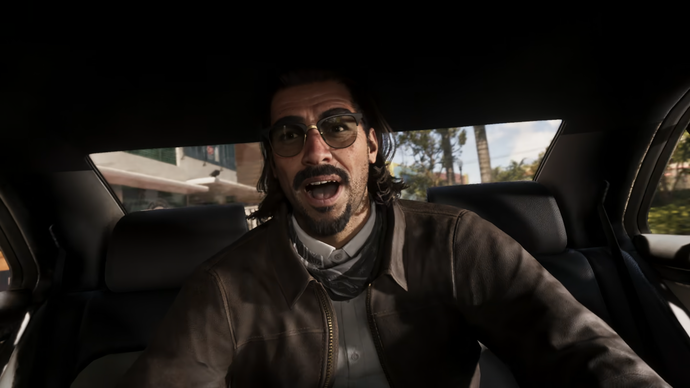
When Rockstar Games unveiled Grand Theft Auto 6 to the world following its dramatic Netflix premiere, industry observers began piecing together a fascinating puzzle. Every morsel of information released since that announcement points toward a single, audacious vision: the studio is pursuing an unprecedented level of realism that could make even Red Dead Redemption 2’s meticulous attention to detail look restrained by comparison. This isn’t merely an incremental improvement over previous installments—it represents a fundamental philosophical shift in how players will interact with the game’s sprawling open world.
Gone, it seems, are the days of the breezy, plug-and-play Grand Theft Auto experience that defined the franchise for over two decades. Previous entries in the series allowed players to steal any vehicle in sight, mow down crowds of panicking pedestrians with gleeful abandon, and generally treat the game world as a chaotic playground without consequences. These were games you could enjoy half-asleep at three in the morning, play illicitly as a twelve-year-old without much difficulty, or fire up on autopilot after a stressful day simply to unwind. GTA 6 appears to be charting an entirely different course—one aimed at simulating life itself, even when that simulation becomes uncomfortable or awkward.
The Evolution of Rockstar’s Design Philosophy
To understand this dramatic pivot, one must examine Rockstar’s trajectory over the past decade. Red Dead Redemption 2, released in 2018, served as the clearest signal of the studio’s evolving priorities. That game famously required players to individually brush their horse, watch Arthur Morgan eat meals in real-time, and navigate a world where every action carried weight and consequence. Critics were divided—some praised the immersive authenticity, while others found the deliberate pacing tedious. Yet the game sold over 60 million copies and won countless awards, proving there was substantial appetite for this approach. The lesson Rockstar apparently absorbed was clear: players are ready for games that demand more from them, even at the cost of instant gratification.
The Grand Theft Auto franchise has always existed in a peculiar space within gaming culture. Since GTA III revolutionized open-world design in 2001, each subsequent entry has balanced satirical social commentary with anarchic gameplay freedom. GTA V, released in 2013, became one of the best-selling entertainment products in history, generating over eight billion dollars in revenue. Its online component, GTA Online, continues to produce substantial profits more than a decade later. This unprecedented success means Rockstar faces enormous pressure with GTA 6—but also possesses the financial security to take creative risks that would terrify other studios.
Why Awkward Realism Might Be Exactly What Gaming Needs
The decision to embrace potentially awkward ultra-realism represents a calculated gamble, but historical precedent suggests it could pay dividends. The gaming industry has repeatedly witnessed initial skepticism transform into widespread acceptance when developers commit fully to unconventional visions. Dark Souls launched an entire genre around punishing difficulty. Death Stranding found its audience despite bewildering gameplay mechanics. These titles succeeded precisely because they refused to compromise their creative identity for broader accessibility. Rockstar appears to be betting that contemporary audiences crave experiences that challenge them emotionally and intellectually, not just reflex-based obstacles.
Industry analysts note that gaming demographics have shifted dramatically since GTA V’s release. The average player age continues to rise, and many longtime fans who grew up with the franchise now seek more sophisticated experiences that reflect their matured sensibilities. A GTA that forces players to confront the uncomfortable realities of criminal life—rather than glossing over them with cartoon violence—could resonate powerfully with this audience. The risk, of course, is alienating casual players who simply want escapist entertainment. Rockstar’s willingness to accept this tradeoff speaks to remarkable confidence in their artistic vision and their core fanbase’s loyalty.
The Stakes Have Never Been Higher
With development costs reportedly exceeding two billion dollars and over a decade between mainline entries, GTA 6 carries expectations unlike any game before it. The choice to pursue demanding realism over accessible gameplay isn’t merely a design preference—it’s a statement about where interactive entertainment is heading. If successful, this approach could influence game development philosophy industry-wide, encouraging other studios to prioritize depth over breadth. If it fails, it might represent the most expensive creative miscalculation in entertainment history. Either way, Rockstar’s refusal to play it safe deserves admiration. In an industry increasingly dominated by safe sequels and focus-tested designs, betting billions on artistic conviction is refreshingly bold.
Expert Opinion: Rockstar’s commitment to ultra-realism in GTA 6 represents a pivotal moment for AAA game development. While the short-term commercial impact remains uncertain, this approach could establish new benchmarks for immersive storytelling and world-building that competitors will spend years trying to match. The studio’s willingness to sacrifice some mainstream accessibility for artistic ambition suggests they’re playing a longer game—one focused on cultural legacy rather than merely financial returns.