
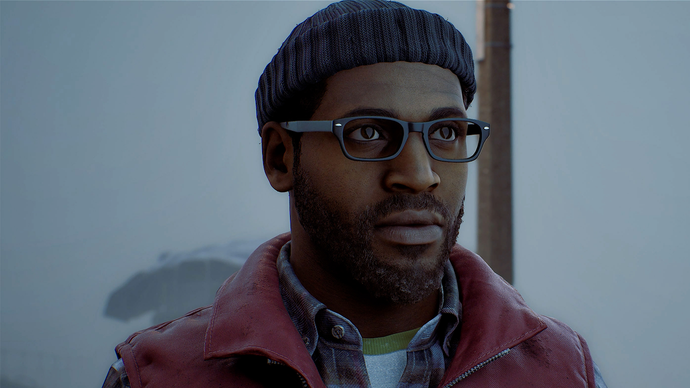
There’s a peculiar type of anticipation that grips dedicated gamers when a beloved franchise announces a new installment. For fans of psychological horror, few series command the reverence and emotional investment that Silent Hill does. The upcoming Silent Hill: Townfall, developed by No Code in partnership with Konami, has generated substantial buzz by promising to “massively subvert” player expectations—a bold claim that has left the gaming community both excited and cautiously optimistic. The instinct for many fans is to set expectations extraordinarily low, almost as a defense mechanism against potential disappointment. After years of silence from the franchise, however, even the most guarded enthusiasts find themselves unable to contain their excitement.
The Silent Hill franchise holds a special place in gaming history, having pioneered the psychological horror genre since its debut in 1999. Unlike other horror games that relied primarily on jump scares and grotesque monsters, Silent Hill distinguished itself through atmospheric dread, symbolic storytelling, and deeply personal narratives that explored themes of guilt, trauma, and redemption. The original games, particularly Silent Hill 2, are widely regarded as masterpieces that elevated video games as an artistic medium capable of profound emotional storytelling. This legacy creates enormous pressure for any new entry in the series to meet the lofty standards established by its predecessors.
A Fresh Development Team with Proven Credentials
No Code, the Scottish development studio behind Townfall, brings an impressive pedigree to this ambitious project. The team previously developed critically acclaimed titles such as Stories Untold and Observation, both of which demonstrated remarkable skill in creating unsettling atmospheres and innovative narrative experiences. Stories Untold, in particular, showcased the studio’s ability to subvert player expectations through clever gameplay mechanics and storytelling techniques—skills that seem perfectly suited for the Silent Hill universe. Their track record suggests they understand the delicate balance between honoring a franchise’s legacy while bringing fresh perspectives to its established formula.
The partnership between No Code and Konami represents a significant shift in how the Japanese publisher approaches its dormant franchises. For years, fans watched helplessly as Konami seemingly abandoned its most beloved properties, focusing instead on pachinko machines and mobile games. The announcement of multiple Silent Hill projects, including Townfall, signaled a dramatic reversal of this strategy. By entrusting different aspects of the franchise to various talented studios worldwide, Konami appears committed to revitalizing Silent Hill while allowing creative diversity that could breathe new life into the series.
What “Massively Subvert” Might Mean for Players
The promise to “massively subvert” expectations carries significant weight within the context of Silent Hill’s history. The franchise has always excelled at defying conventional horror tropes, presenting players with scenarios that challenge their assumptions about reality, morality, and identity. Silent Hill 2’s infamous twist regarding protagonist James Sunderland remains one of gaming’s most impactful revelations, demonstrating how effective subversion can transform a gaming experience into something truly memorable. If No Code can capture even a fraction of that storytelling magic while introducing genuinely surprising elements, Townfall could become a landmark entry in the franchise.
Industry analysts suggest that modern psychological horror games face unique challenges in an era of streaming and social media, where spoilers spread rapidly and mystery becomes difficult to maintain. Successful subversion requires not just clever writing but also careful marketing that reveals enough to generate interest without exposing crucial surprises. The relatively sparse details released about Townfall’s plot and gameplay mechanics indicate that No Code and Konami understand this delicate balance, preserving the sense of mystery that has always been central to Silent Hill’s appeal.
The Broader Silent Hill Renaissance
Townfall exists within a broader ecosystem of upcoming Silent Hill content, including the highly anticipated Silent Hill 2 remake by Bloober Team and Silent Hill f, set in 1960s Japan. This multi-pronged approach allows Konami to explore different aspects of the franchise’s potential while minimizing the risk associated with any single project. For longtime fans who endured years of disappointment and false starts, this abundance of new content feels almost surreal. The painful excitement that many feel represents years of suppressed hope finally finding an outlet, tempered by the wisdom that comes from previous letdowns. Whatever Townfall ultimately delivers, its announcement alone has already succeeded in reigniting passion for one of gaming’s most influential horror franchises.
Expert Opinion: No Code’s involvement represents a strategically brilliant move by Konami, as the studio’s expertise in narrative subversion aligns perfectly with Silent Hill’s psychological horror DNA. If Townfall successfully merges No Code’s innovative storytelling techniques with the franchise’s iconic atmosphere, it could redefine modern horror gaming and establish a template for reviving dormant franchises through careful creative partnerships. The key indicator of success will be whether the game can surprise veterans while remaining accessible to newcomers—a balance few horror games achieve.